Getting Around China
Shanghai Arrival and Local Transport Guide for Foreign Travelers
How to arrive in Shanghai, choose transfers, use local transport, and avoid first-day confusion.
Transport in Shanghai is easier when you decide the first transfer before you land. The most important details are the exact arrival point, hotel address in Chinese, luggage size, and the first full day’s route.
Best arrival plan
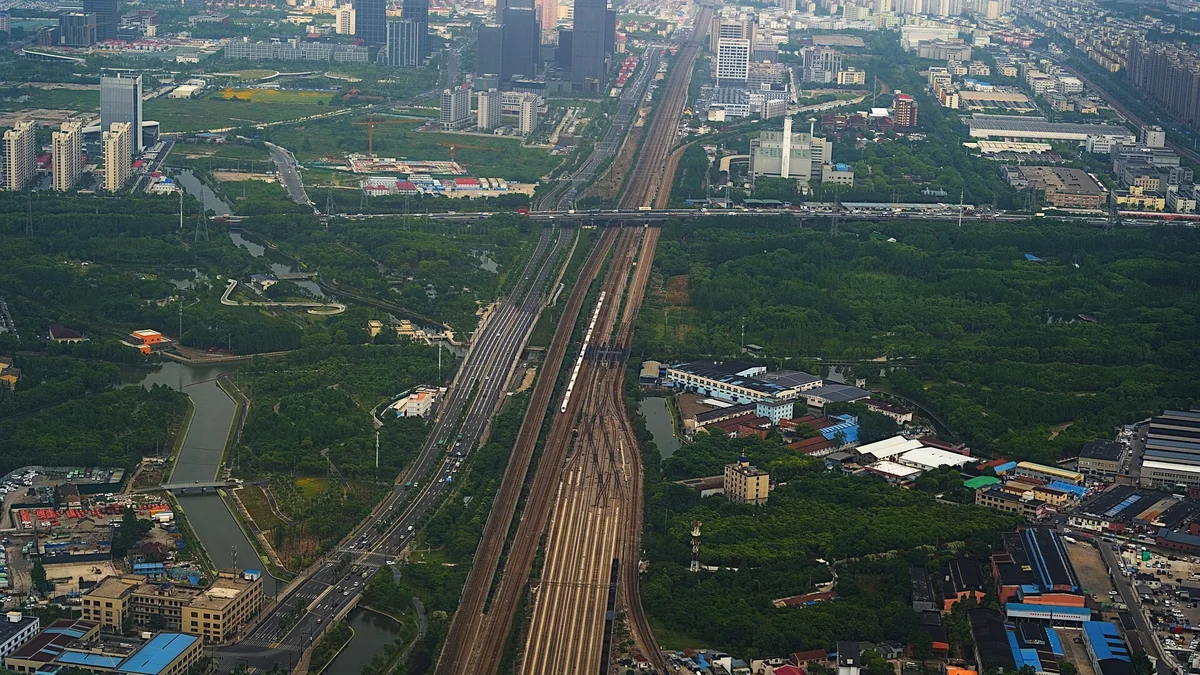
Most visitors arrive via Pudong or Hongqiao. Before departure, save the arrival terminal or station name, your hotel address, and a backup route in case mobile data is not ready.
Metro, taxi, or private transfer?
- Metro works best for light luggage and daylight arrivals.
- Taxi or ride-hailing works better after long-haul flights or late arrivals.
- Private transfer is worth considering for families, older travelers, or complex hotel locations.
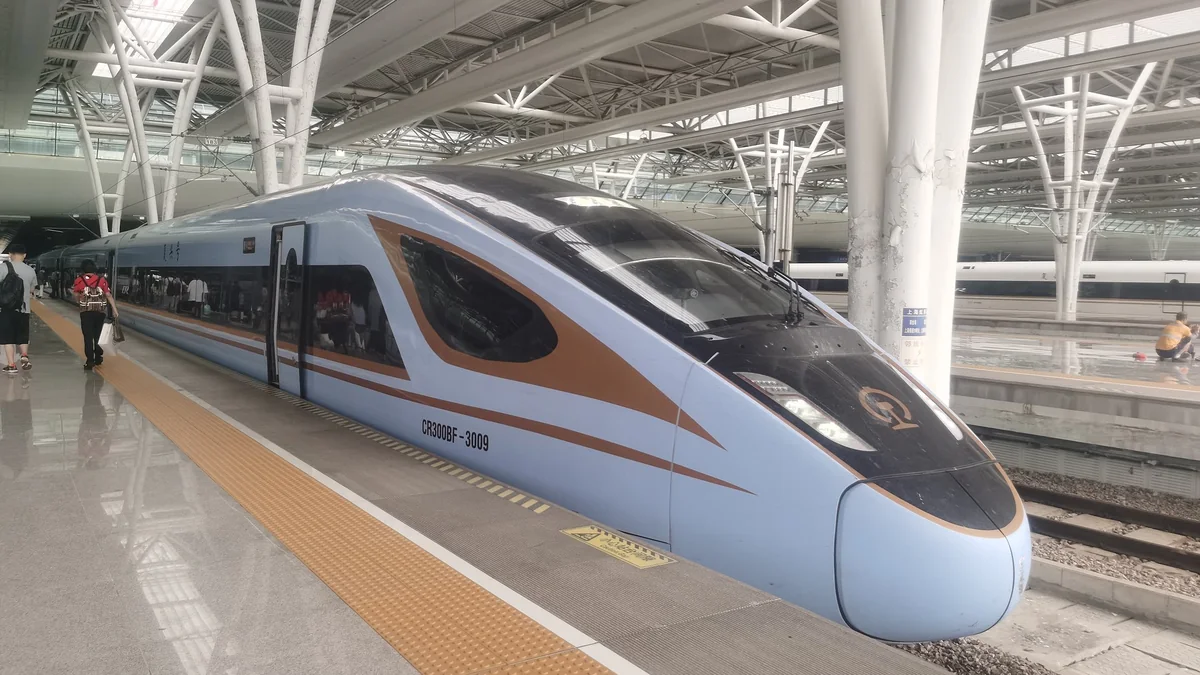
- High-speed rail transfers need station buffers because major stations can be large.
First-day route design
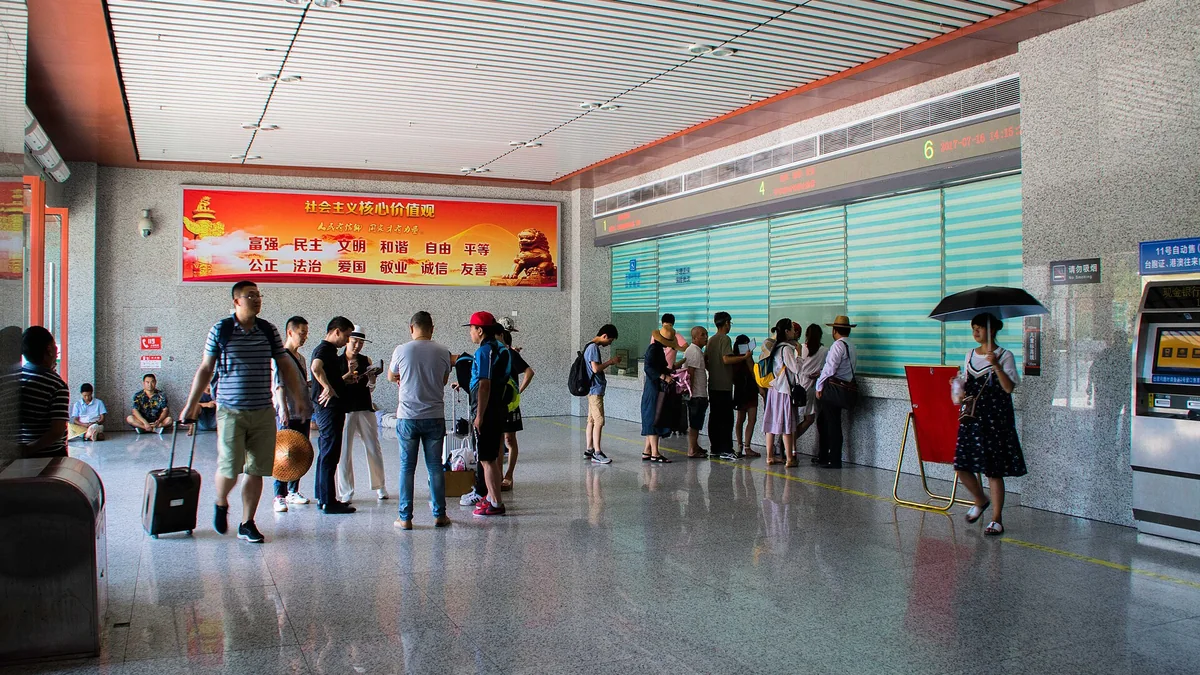
If you stay around People’s Square, the Bund, Jing’an, or Xintiandi, keep the first day near the hotel or along one clear transport line. This prevents your first hours in China from becoming a test of every app and payment method at once.
What to save offline
- Hotel address and phone number in Chinese.
- Screenshots of station exits or arrival instructions.
- The name of your first attraction in Chinese.
- A backup contact method for your hotel or local support.
Common transport mistakes
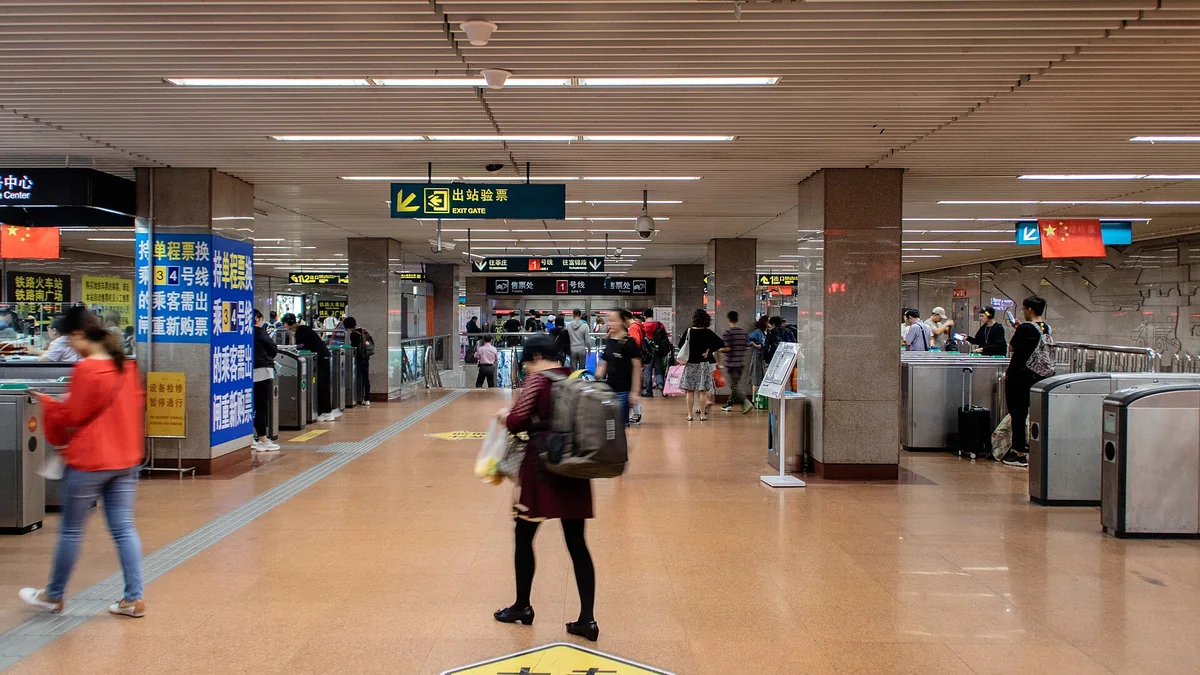
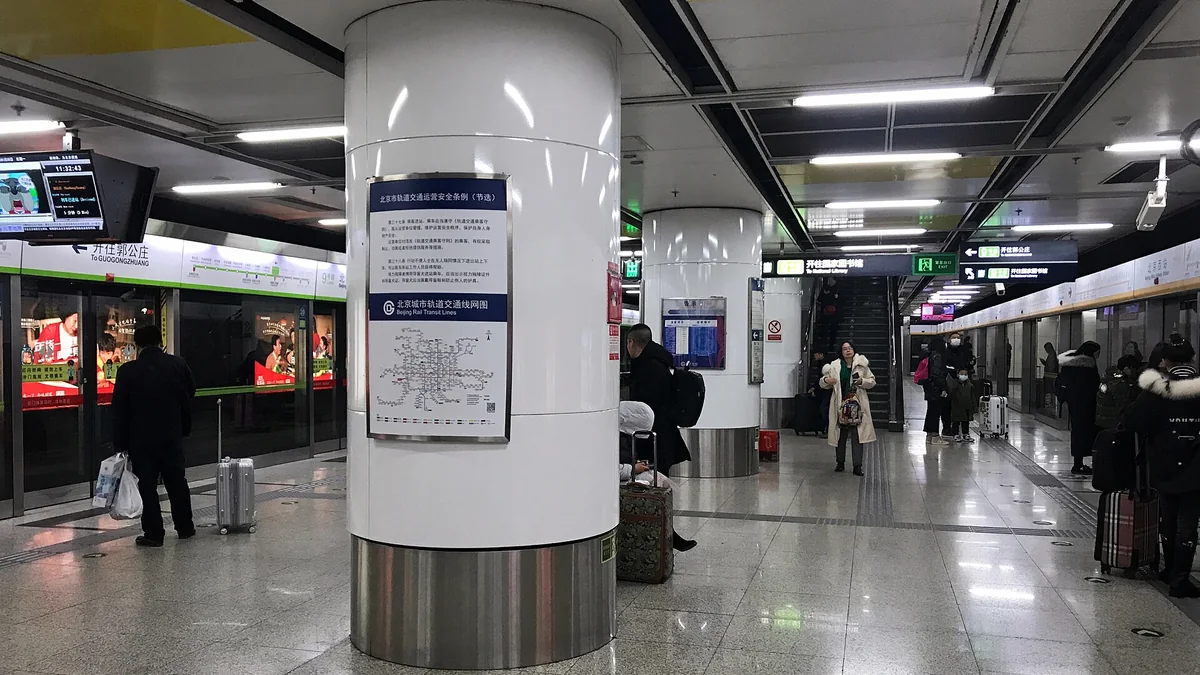
The biggest mistake is underestimating station size. A route that looks short can still require walking, security checks, escalators, and time to find the right exit.
Before you book
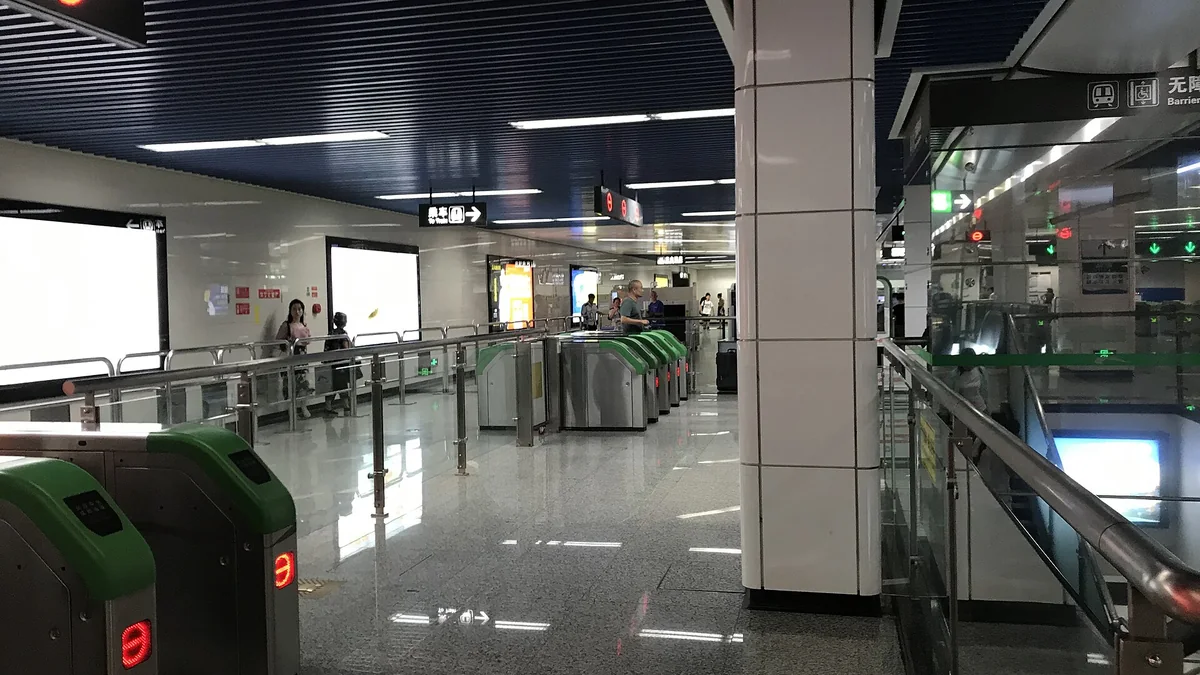
Before you lock in Shanghai, check the order of the hard pieces first: international arrival, domestic transfer, hotel base, attraction timing, and payment backup. Changing one of these later can affect the whole route.
Small details that make the trip easier
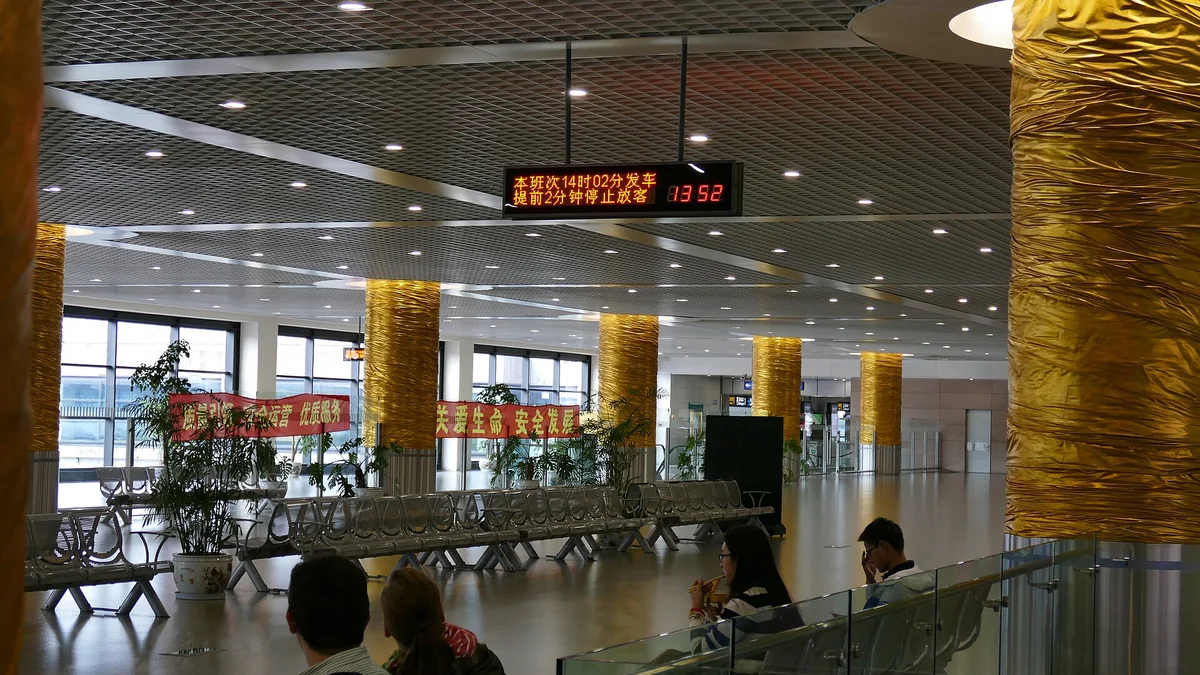
- Keep all addresses in Chinese and English.
- Save screenshots of bookings, hotel names, and station names.
- Avoid putting the most important attraction immediately after a long transfer.
- Keep one flexible meal or rest block in the plan every day.
Backup plan if something changes
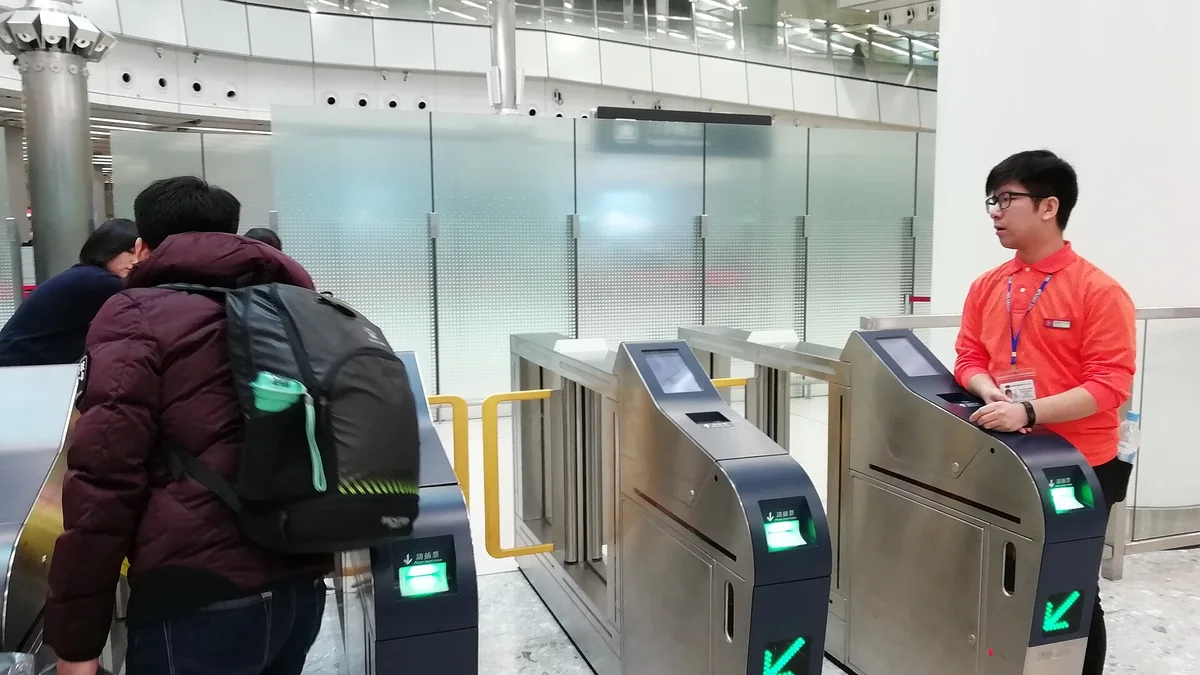
Weather, sold-out tickets, delayed flights, or tired travelers can change the day. A good China itinerary has a second-choice activity in the same area, a simple meal nearby, and a transport backup that does not require solving everything in Chinese at the last minute.
What to send us for a human check
- Arrival and departure city with dates.
- Hotel area or candidate hotel links.
- Must-see places and anything you want to avoid.
- Traveler count, luggage size, and pace preferences.