City & Itinerary Guides
Chongqing Travel Planning Guide for Foreign Visitors
A practical Chongqing planning guide for foreign travelers, covering pace, areas, transport, food, and common first-trip mistakes.
Chongqing works best when it is planned around night views, hotpot, layered city streets, and Yangtze River atmosphere. The city can be simple if you choose the right base, keep transfers realistic, and know what to book before you arrive. This guide is written for travelers who want practical decisions, not a list of every possible attraction.
Why Chongqing works for foreign travelers

The strongest reason to include Chongqing is night views, hotpot, layered city streets, and Yangtze River atmosphere. For a first visit, the city is easier when you treat it as a few focused zones rather than one huge checklist. Most travelers do better with fewer hotel changes, clear ride-hailing backup, and attraction days grouped by area.
Quick planning snapshot
- Suggested stay: 2–3 days.
- Best arrival point: Chongqing Jiangbei Airport or Chongqing North/West stations.
- Good hotel areas: Jiefangbei, Hongyadong, Nan’an, or near Line 2/3.
- Strongest nearby add-on: Dazu Rock Carvings or Wulong karst area.
A realistic first route
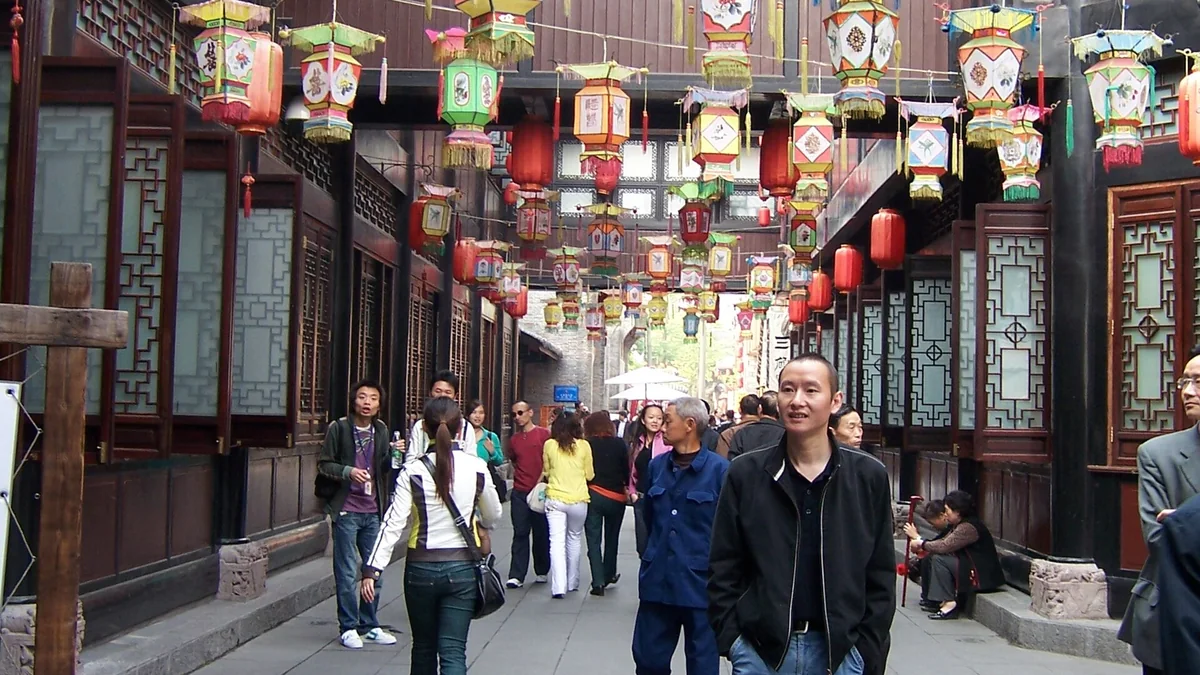
- Start with Chongqing Jiangbei Airport or Chongqing North/West stations and save the hotel address in Chinese before arrival.
- Base yourself around Jiefangbei, Hongyadong, Nan’an, or near Line 2/3 if you want lower-friction days.
- Prioritize Jiefangbei, Hongyadong, Liziba metro, river cableway, and night skyline viewpoints instead of trying to cover every district.
- Leave one flexible meal or rest block each day, especially after long-haul flights.
What to book or save before arrival
- Hotel name, phone number, and address in Chinese.
- Passport details matching hotel and ticket bookings.
- Train, attraction, or transfer confirmations if the day is time-sensitive.
- Offline screenshots of key addresses in case mobile data is not ready.
Common mistakes to avoid
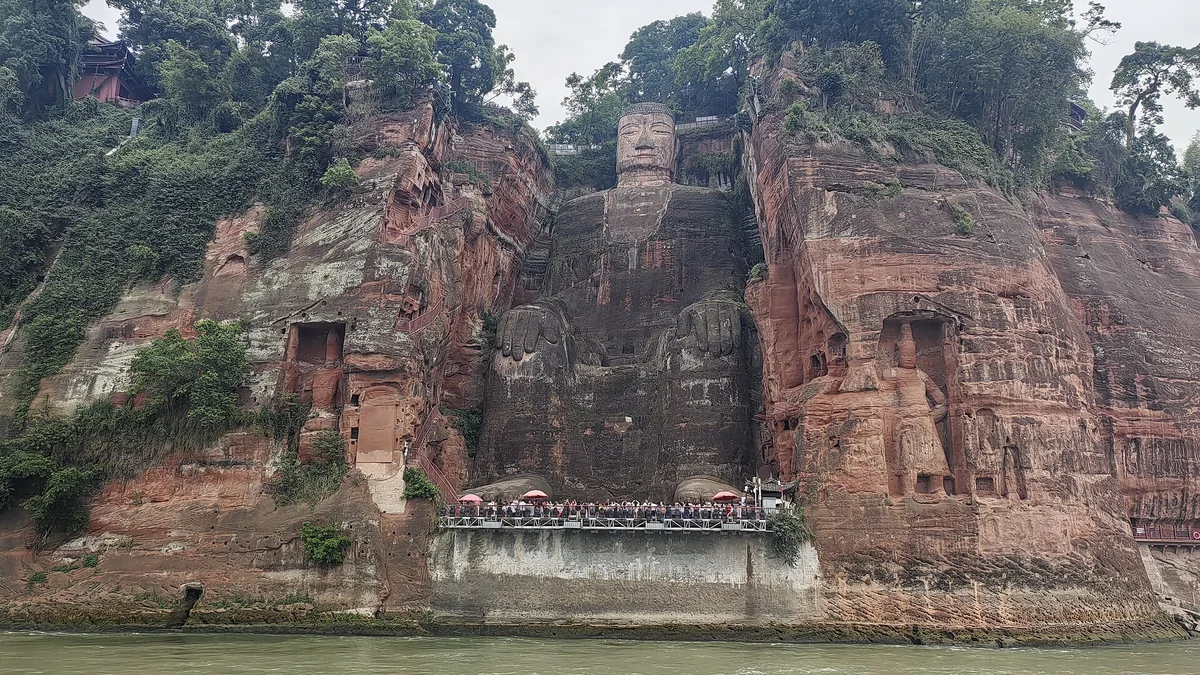
The common mistake in Chongqing is planning by map distance only. In China, security checks, station size, queues, weather, and meal timing can change the real pace of a day. Build the plan around one main sight or zone, then add a nearby walk or meal if energy allows.
Before you book
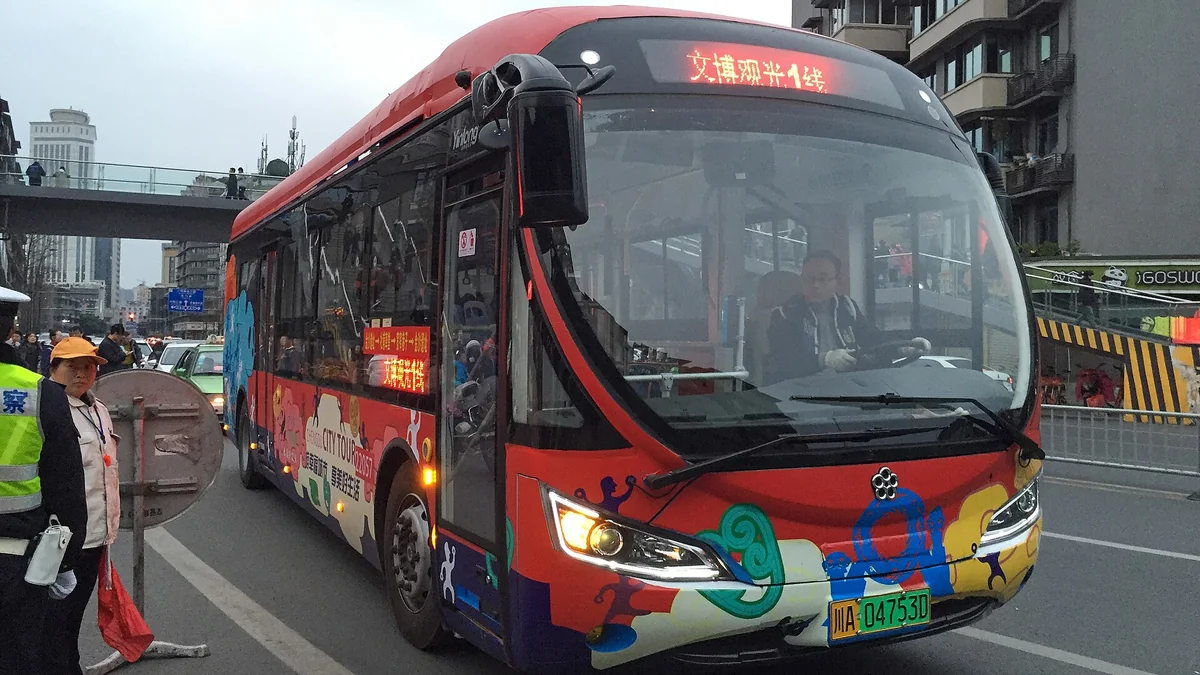
Before you lock in Chongqing, check the order of the hard pieces first: international arrival, domestic transfer, hotel base, attraction timing, and payment backup. Changing one of these later can affect the whole route.
Small details that make the trip easier
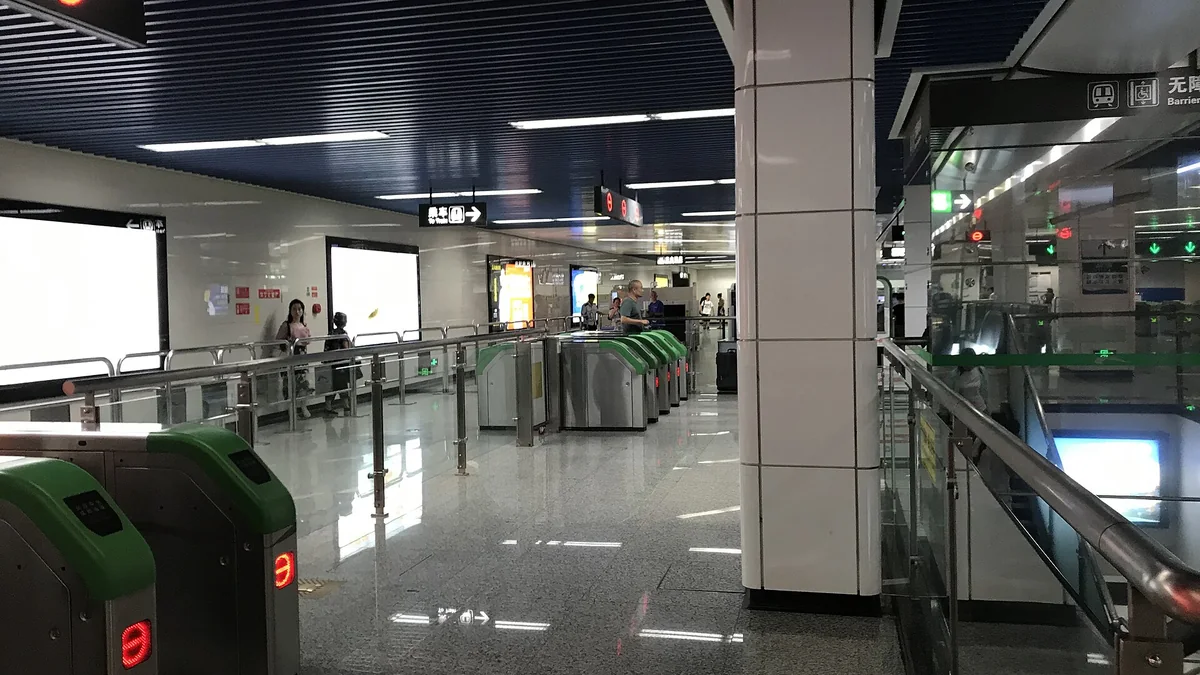
- Keep all addresses in Chinese and English.
- Save screenshots of bookings, hotel names, and station names.
- Avoid putting the most important attraction immediately after a long transfer.
- Keep one flexible meal or rest block in the plan every day.
Backup plan if something changes
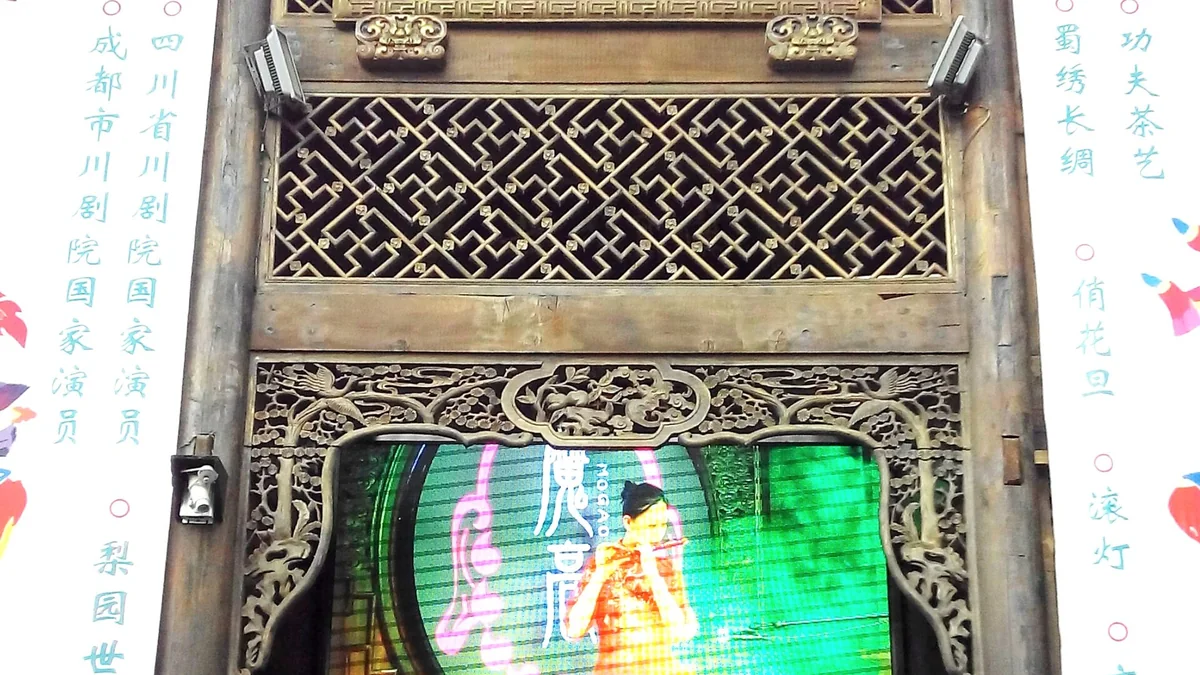
Weather, sold-out tickets, delayed flights, or tired travelers can change the day. A good China itinerary has a second-choice activity in the same area, a simple meal nearby, and a transport backup that does not require solving everything in Chinese at the last minute.
What to send us for a human check
- Arrival and departure city with dates.
- Hotel area or candidate hotel links.
- Must-see places and anything you want to avoid.
- Traveler count, luggage size, and pace preferences.