First-time China Planning
Shanghai, Hangzhou, and Suzhou Easy East China Route: Budget and Hotel Planning Guide
How to keep the Shanghai → Hangzhou → Suzhou route practical on a moderate budget, with better hotel placement, train timing, and daily spend decisions.
This guide helps foreign travelers plan Shanghai → Hangzhou → Suzhou without turning the trip into a logistics puzzle. The focus is practical: what to book, where to stay, how much buffer to add, and when to ask for help.
Where budget routes go wrong
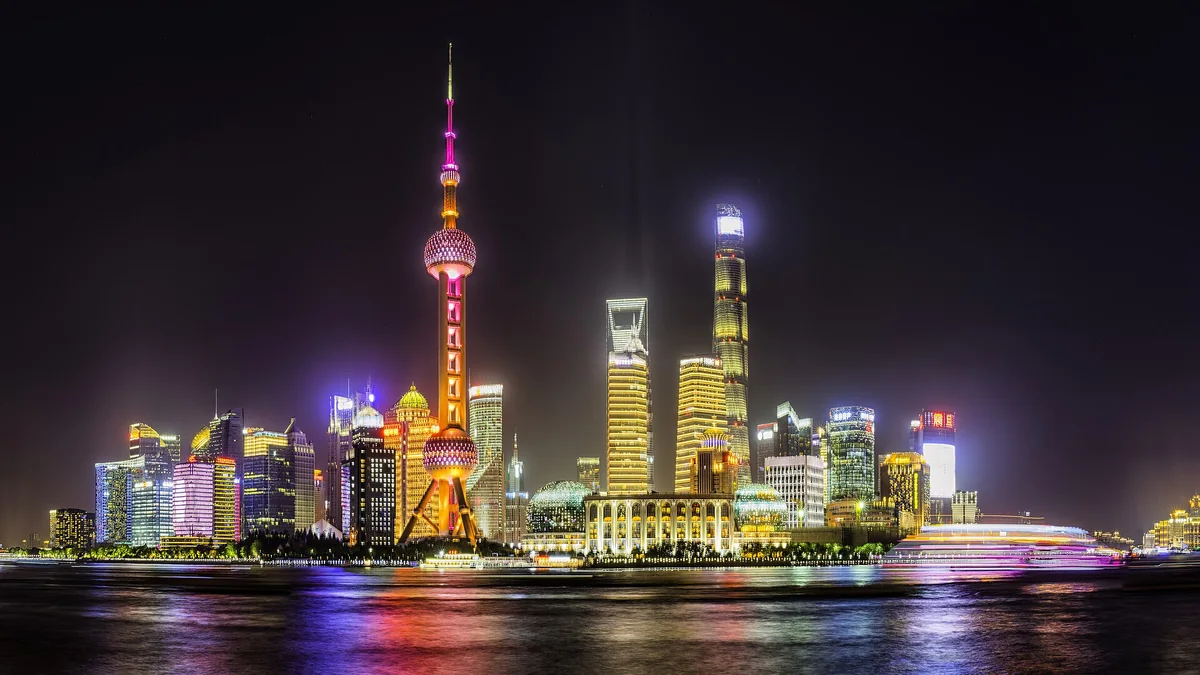
The Shanghai → Hangzhou → Suzhou route stops feeling affordable when cheap hotels create expensive transfers, or when a low-cost ticket forces a bad arrival time. Budget success comes from choosing which friction to remove first.
Best places to save
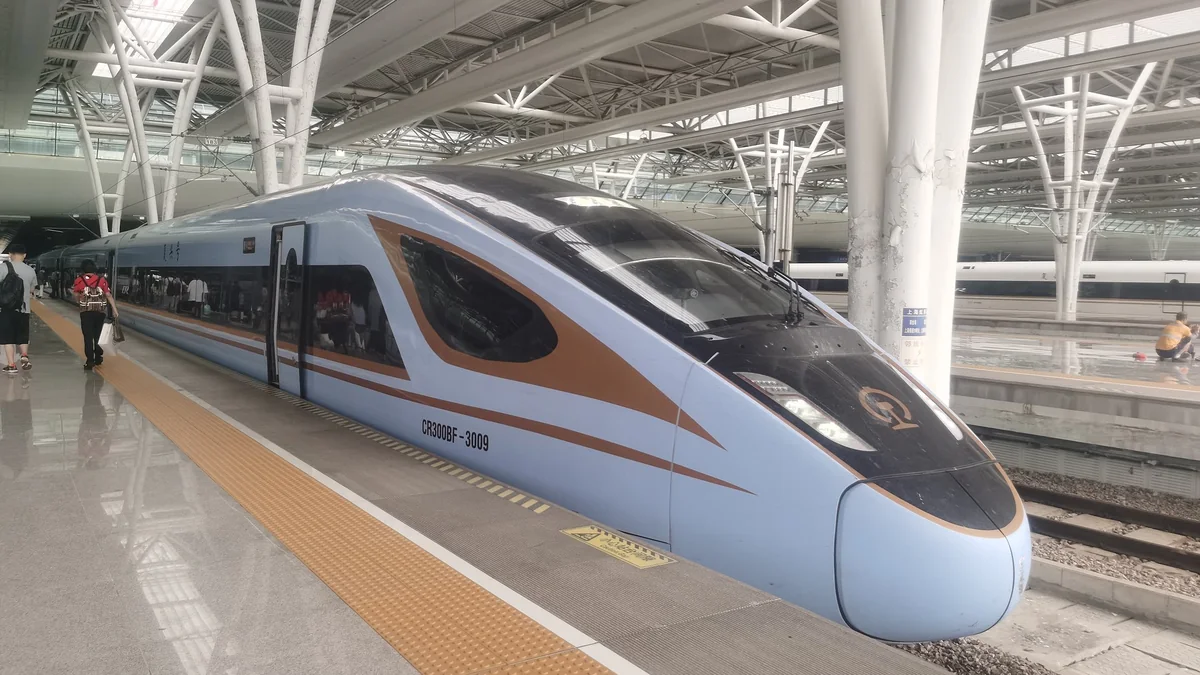
- Use rail where it reduces airport transfer time.
- Choose mid-range hotels in the right area instead of scenic hotels in the wrong area.
- Keep one paid attraction per day as the priority.
- Avoid unnecessary one-night stops if they create more luggage movement.
How to keep hotel costs under control
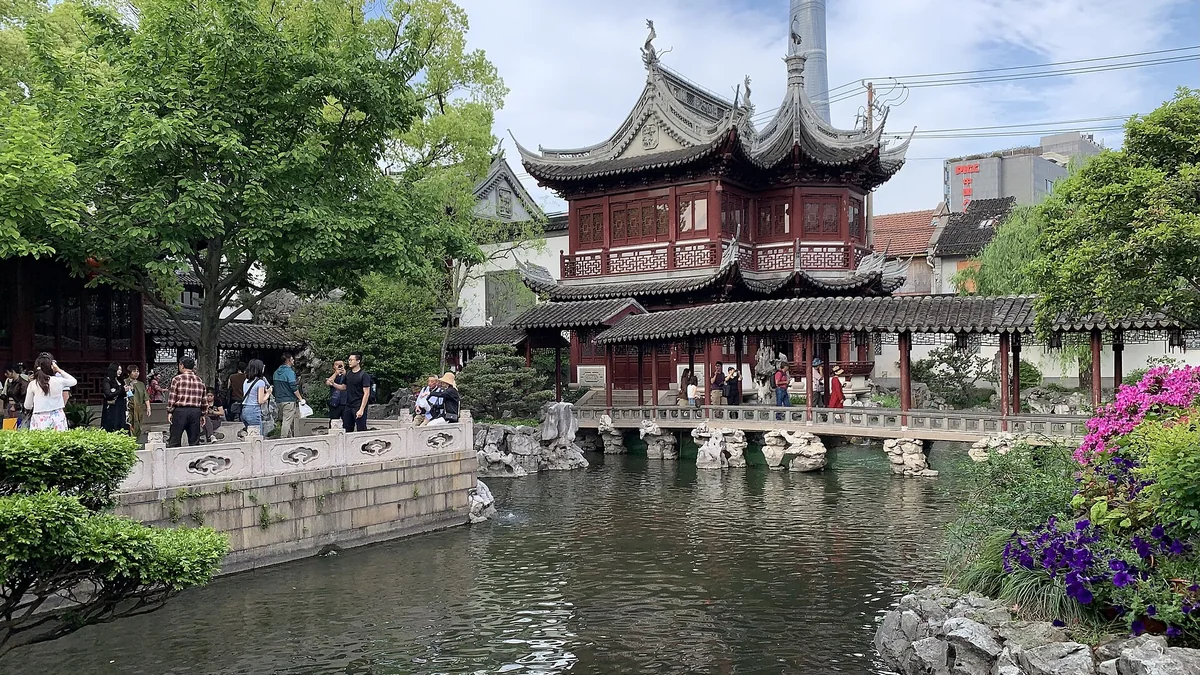
A compact, transport-friendly hotel base often protects the budget better than a cheaper room far from the route. The real cost of a bad base is time, taxis, and tired travel days.
Budget mistakes to avoid
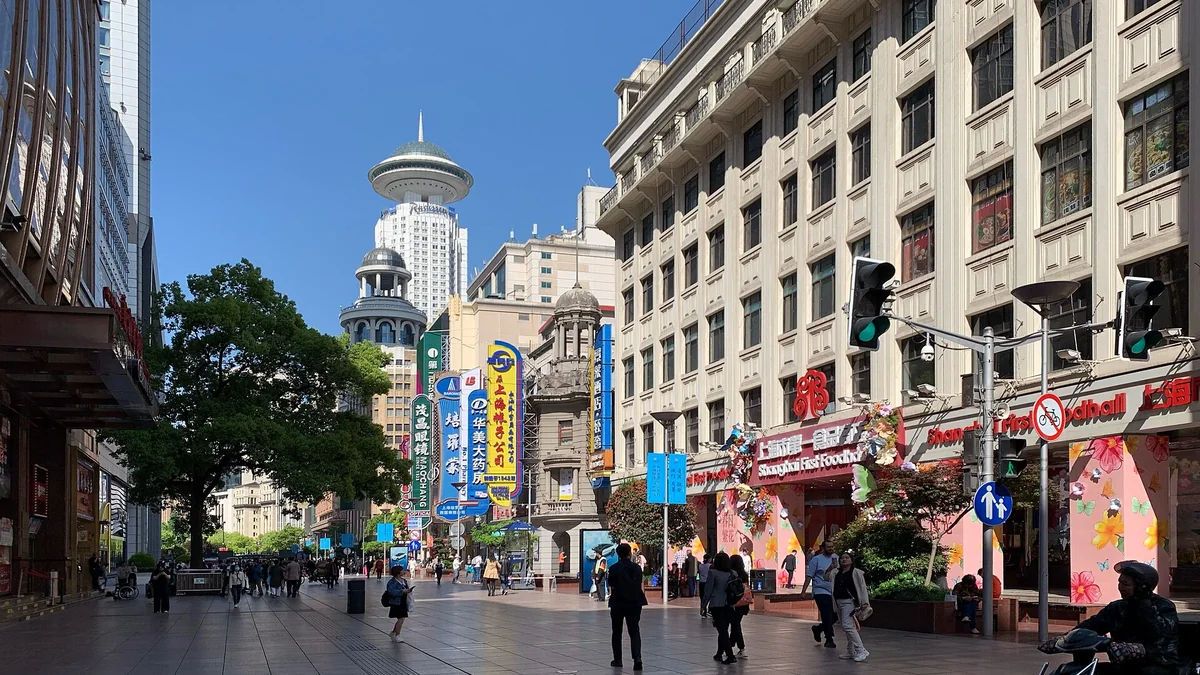
Do not compress the route so tightly that you lose the ability to eat well, rest, or change plans. A route that barely works on paper usually costs more in practice.
Before you book
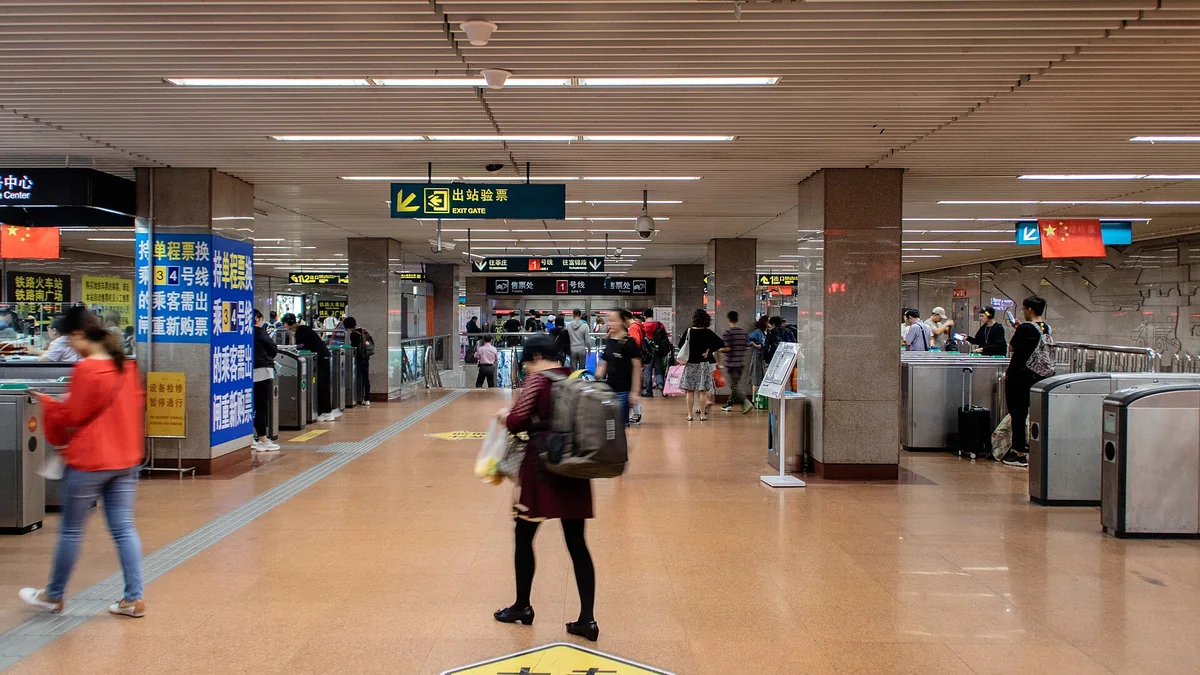
Before you lock in Shanghai → Hangzhou → Suzhou, check the order of the hard pieces first: international arrival, domestic transfer, hotel base, attraction timing, and payment backup. Changing one of these later can affect the whole route.
Small details that make the trip easier
- Keep all addresses in Chinese and English.
- Save screenshots of bookings, hotel names, and station names.
- Avoid putting the most important attraction immediately after a long transfer.
- Keep one flexible meal or rest block in the plan every day.
Backup plan if something changes
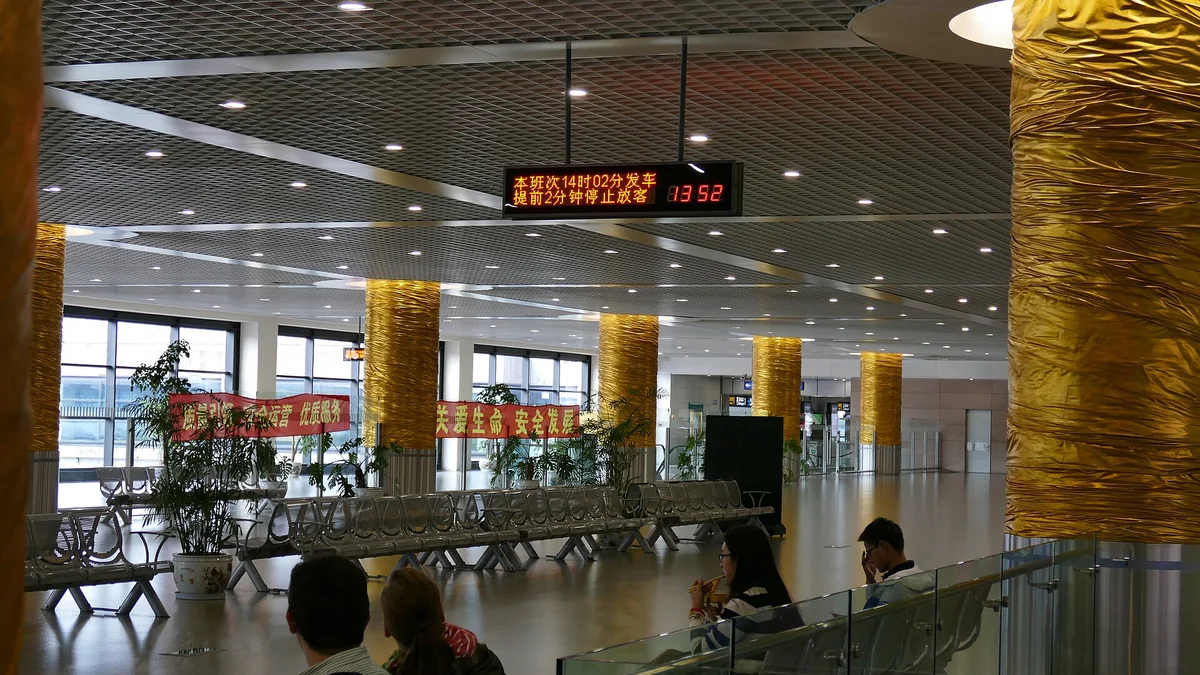
Weather, sold-out tickets, delayed flights, or tired travelers can change the day. A good China itinerary has a second-choice activity in the same area, a simple meal nearby, and a transport backup that does not require solving everything in Chinese at the last minute.
What to send us for a human check
- Arrival and departure city with dates.
- Hotel area or candidate hotel links.
- Must-see places and anything you want to avoid.
- Traveler count, luggage size, and pace preferences.