Getting Around China
China Train Tickets Guide for Foreign Travelers
A practical guide to China train tickets for foreign travelers: 12306, passports, station names, seat choices, timing, and common booking mistakes.
China’s high-speed rail can be one of the easiest parts of a trip once the ticket is booked correctly. The common problems are not the trains themselves; they are wrong station names, passport-name mismatches, rushed transfers, and booking too late for popular routes.
1. Start with the official system
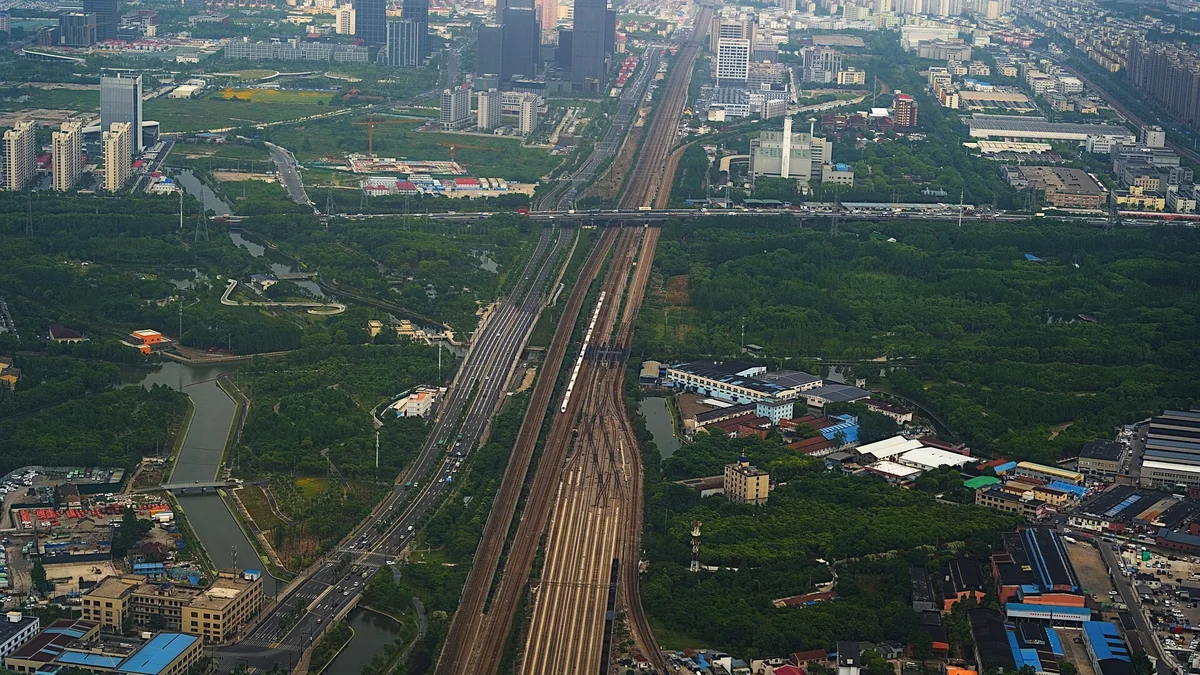
The official railway site is 12306 China Railway. Even if you use an agent or travel service to book, use 12306-style station names and train numbers as your reference point.
This matters because many Chinese cities have multiple stations. “Shanghai” and “Shanghai Hongqiao” are not the same for hotel and transfer planning.
2. Passport details must be exact
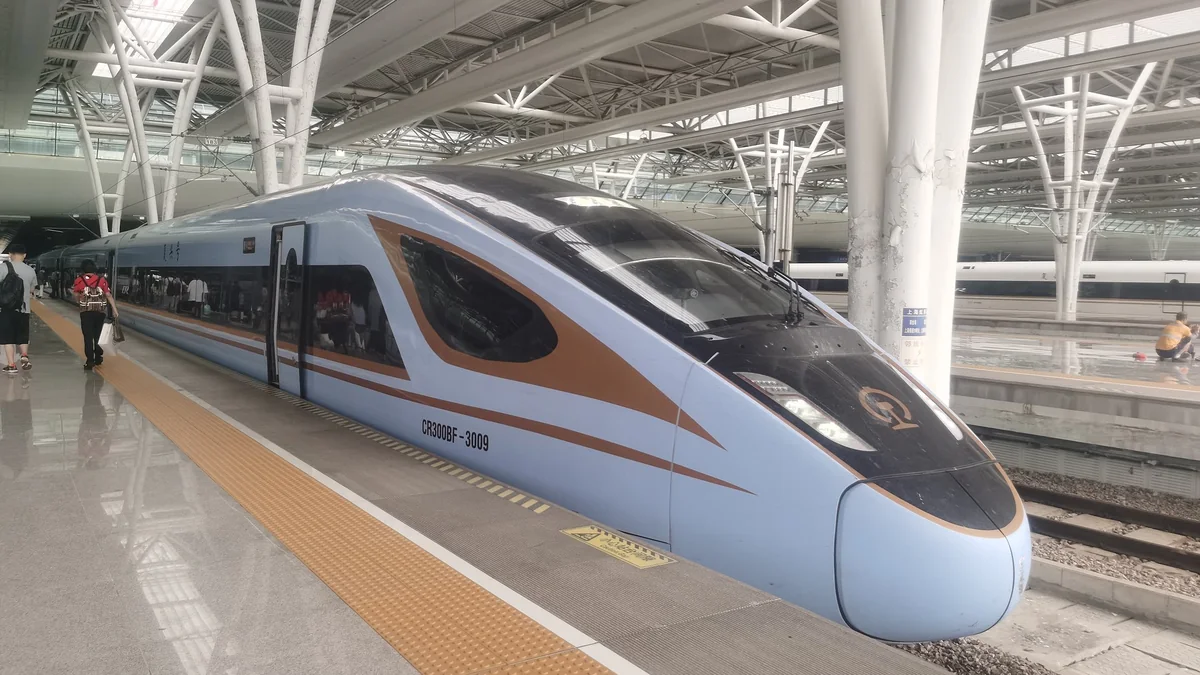
Foreign travelers normally book train tickets with passport information. Your name, passport number, and document details need to match the document you will use at the station. If you renew your passport after booking, check whether tickets must be adjusted.
Keep your passport available on train days. Do not pack it deep in checked luggage or give it to someone else during station entry.
3. Station names are the biggest trap
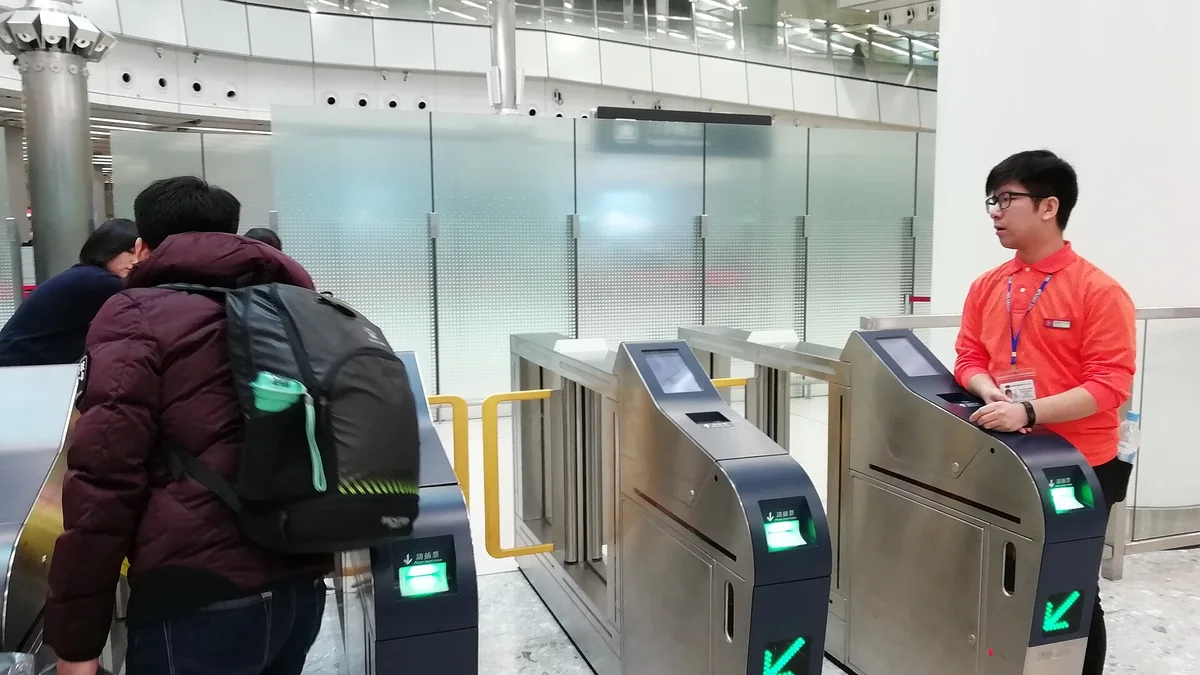
Before booking, confirm:
- Departure city and exact station.
- Arrival city and exact station.
- Transfer time from hotel to station.
- Whether the station is high-speed rail, conventional rail, or both.
- How you will get from the arrival station to the hotel.
In large cities, choosing the wrong station can add an hour or more of stress.
4. Train or flight?
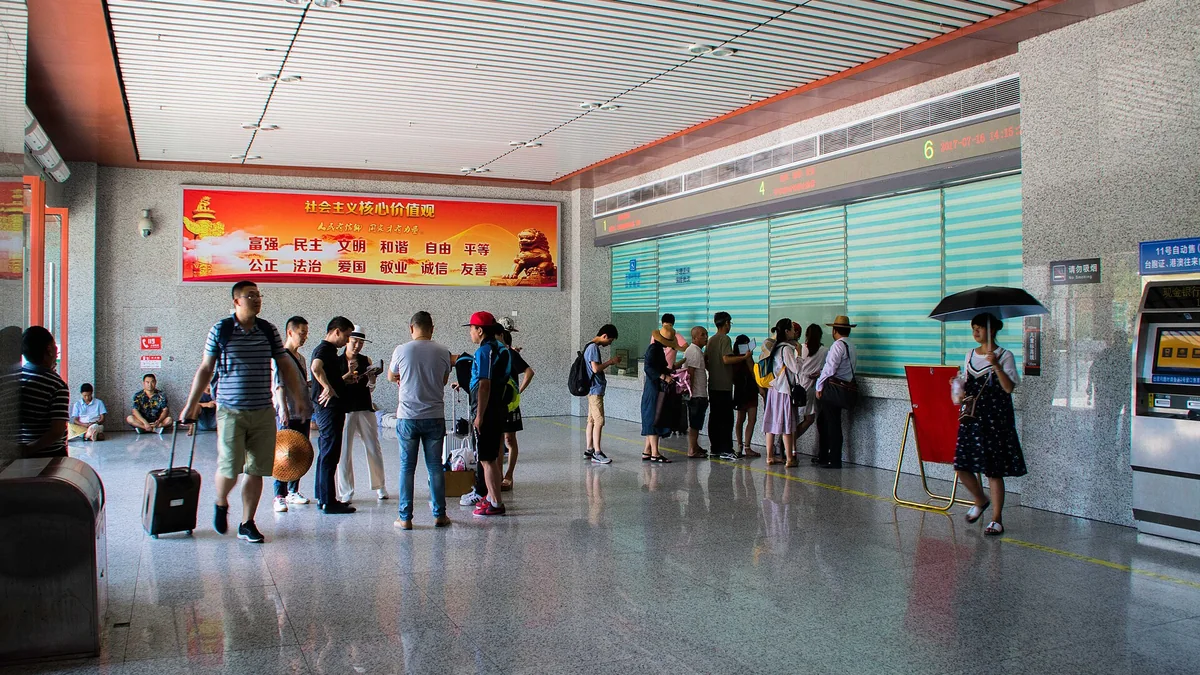
For routes such as Beijing–Xi’an or Shanghai–Hangzhou/Suzhou, rail can be highly practical. For longer cross-country routes, flights may be better. Compare total door-to-door time:
- Hotel to station or airport.
- Security and waiting time.
- Ride or flight time.
- Arrival transfer to the next hotel.
The fastest listed travel time is not always the easiest real travel day.
5. Seat class basics
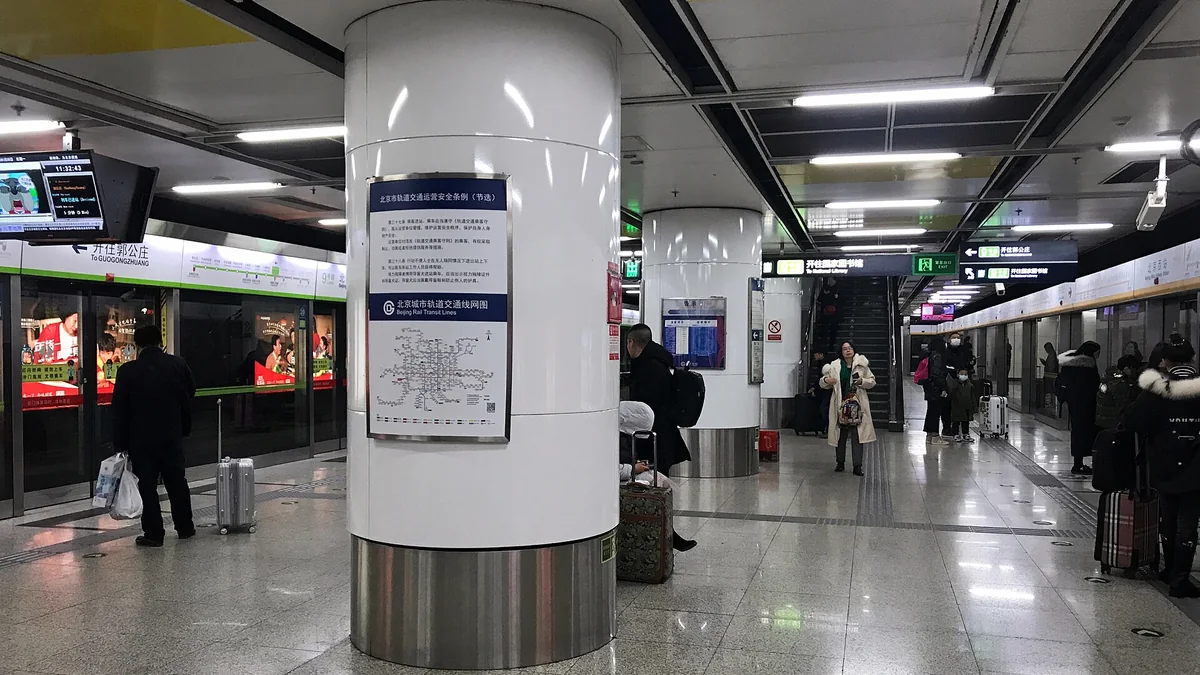
Seat class affects comfort, price, and availability. On longer high-speed routes, paying more for comfort can make the day feel much easier, especially for families or older travelers. For short hops, a standard seat may be enough.
Do not assume every train has the same seat options. Check the actual train before making the plan.
6. Timing strategy
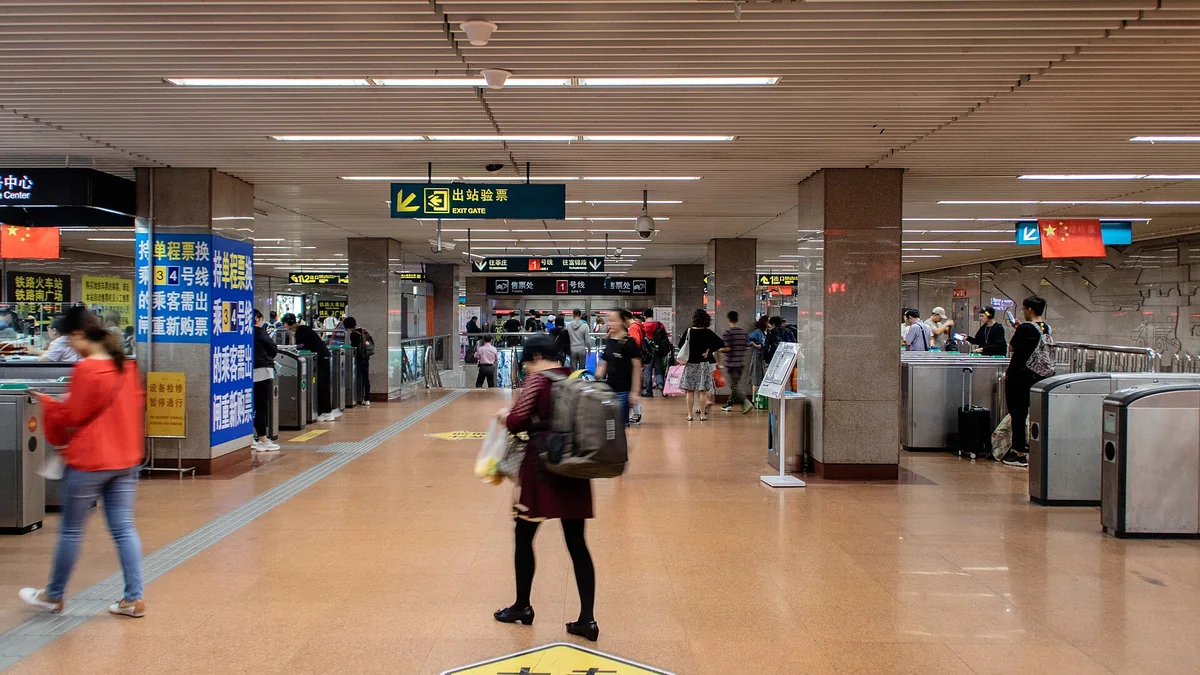
Popular routes, holiday periods, and peak travel windows can sell out faster. Avoid building a tight itinerary around a specific train until availability is confirmed. If a train is critical, book earlier or keep a backup route.
Do not plan a high-stakes attraction or international flight immediately after a long train unless you have a realistic buffer.
7. What to prepare for train day
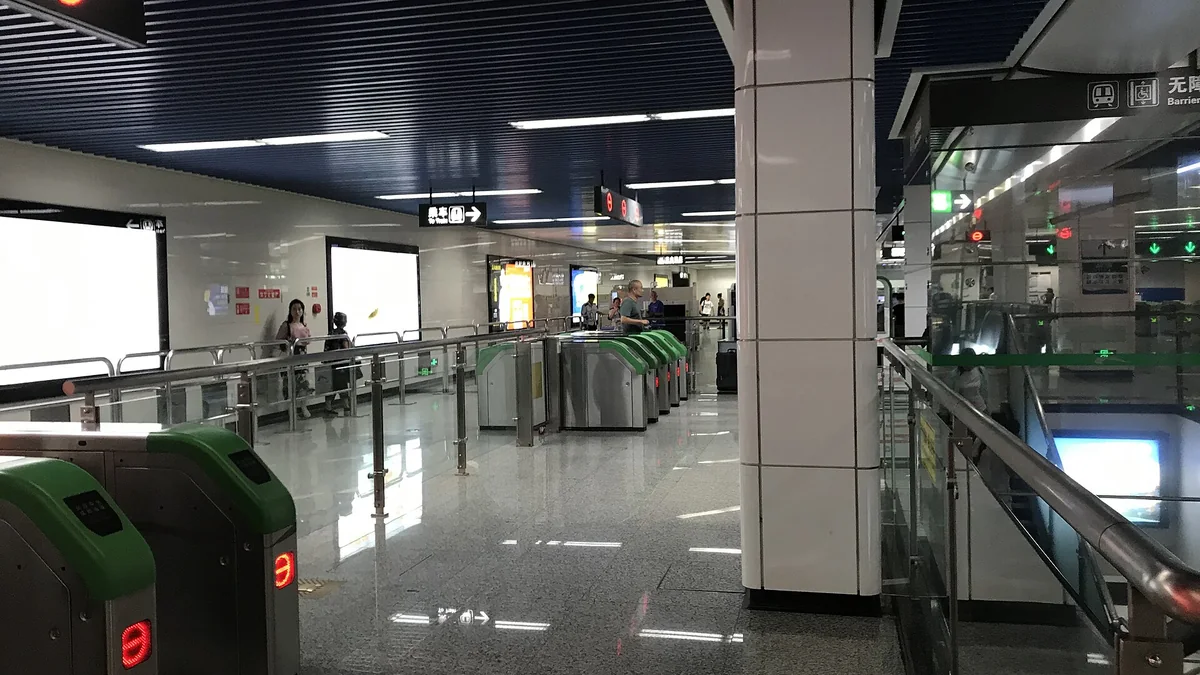
- Passport used for booking.
- Train number, departure station, and departure time.
- Chinese station name and hotel address.
- Enough time for security and navigation.
- Snacks, water, charger, and power bank.
- Arrival transfer plan.
8. Common mistakes
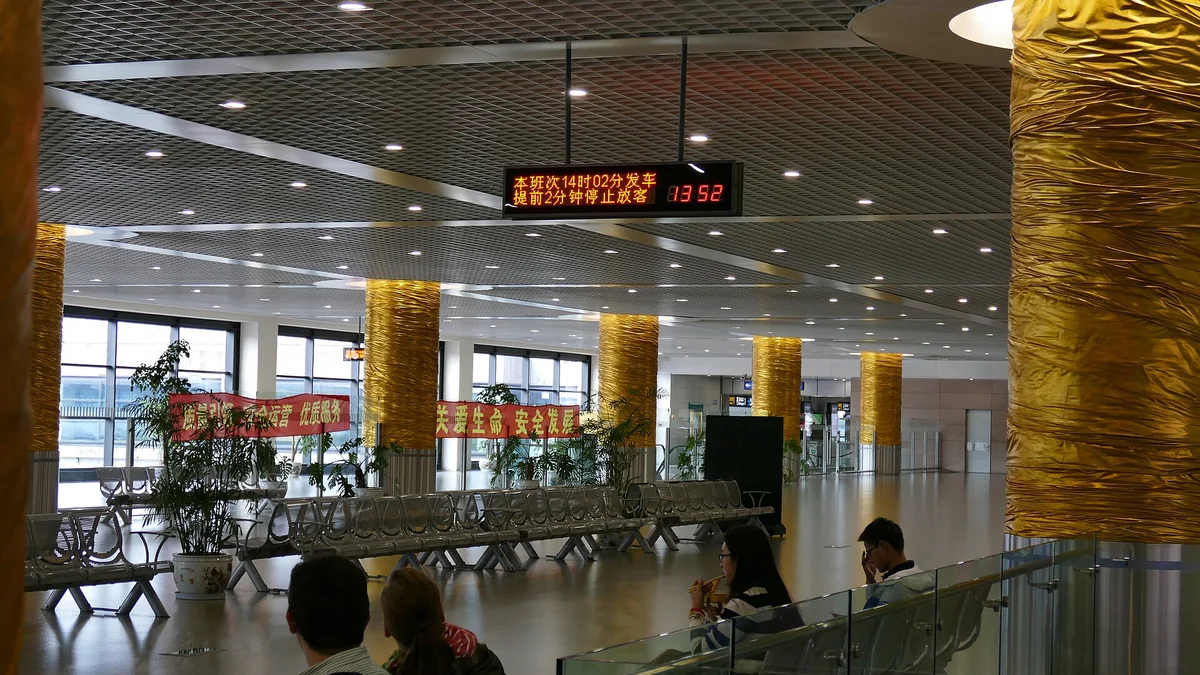
- Booking the wrong station.
- Using a nickname or different name order from the passport.
- Leaving too little time between train and flight.
- Assuming tickets will always be available the night before.
- Not checking whether the hotel is convenient for the actual arrival station.
9. When human help is useful
Train planning is simple when the route is simple. It becomes harder when you have several cities, children, late arrivals, or a mix of flights and trains. A quick human check can catch station-name mistakes before they become expensive.
Want a human check before you book?
Send us your route, dates, hotels, and questions. We will help review the practical details before they become expensive changes.