China Travel Essentials
China Apps and Payments Guide for Foreign Travelers
A practical guide to mobile payments, cards, cash, maps, translation, ride-hailing, train apps, and backups for foreign travelers in China.
China is very convenient once your phone, payment method, maps, and transport tools work. The difficult part is setting them up before you need them. Do not wait until the airport taxi line to test your payment app.
1. Prepare more than one way to pay

Mobile payment is common in China, but a good traveler setup has backups. Prepare at least two of the following before departure:
- A mobile payment app linked to an international card, where available.
- An international bank card accepted by your hotel or major merchants.
- A small amount of RMB cash for backup.
- A trusted person or service who can help if a payment problem blocks a booking.
Payment rules and app support can change. For current official guidance, review the Guide to Payment Services in China shared by Chinese official channels.
2. Set up payment apps before the trip

Many foreign travelers use Alipay or WeChat Pay for daily spending, but setup may require identity information, card linking, SMS verification, and app updates. Do this before you travel, then test a small transaction if possible.
Keep screenshots of important booking confirmations, hotel addresses, and train details. If mobile data or verification messages fail, screenshots can save time.
3. Keep cash as a backup, not as the main plan

Cash can still be useful for emergencies, smaller vendors, or situations where your phone battery dies. However, relying only on cash may make taxis, tickets, delivery, or app-based services harder. Use cash as a safety net, not the whole system.
4. Map and translation setup

Install and test maps and translation tools before departure. Save hotel names and addresses in both English and Chinese. This is especially important for taxis, station transfers, and small hotels.
- Save your first hotel address offline.
- Save key destination names in Chinese.
- Keep the hotel phone number available.
- Download offline translation or phrase support if your data is unreliable.
5. Train and transport tools
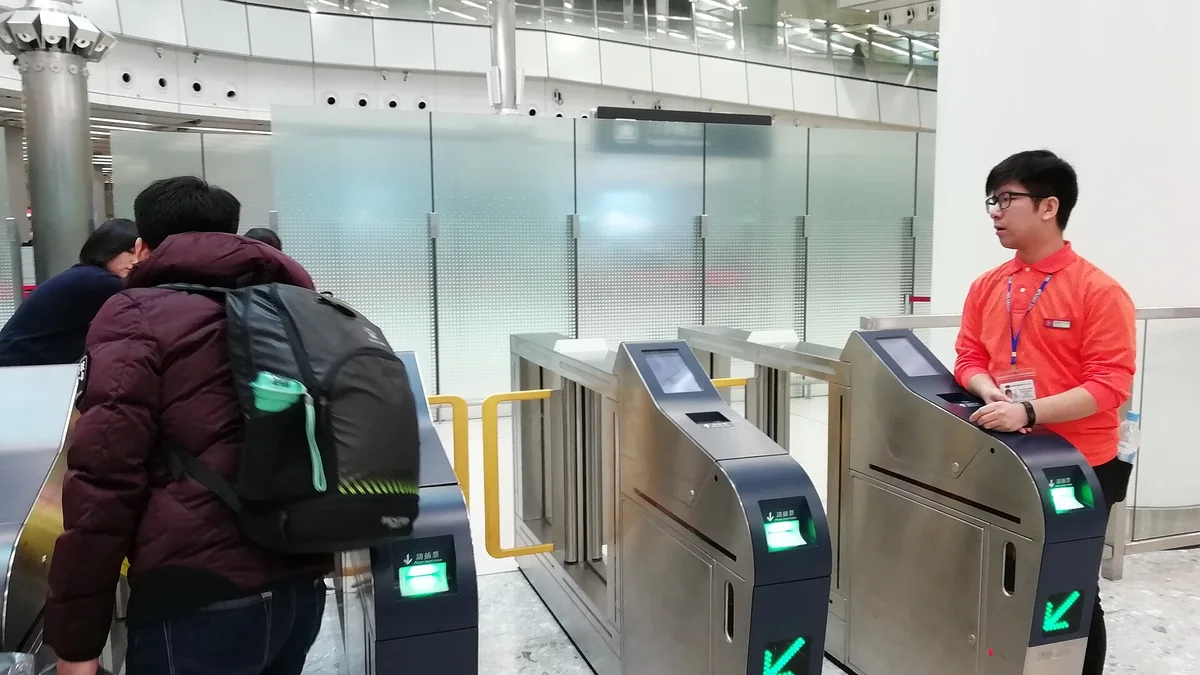
For train planning, the official starting point is 12306 China Railway. Even if you book through another channel, use official station names to avoid confusion.
For ride-hailing or taxis, make sure you can enter the destination in Chinese or show the address clearly. If you arrive late at night, a pre-arranged transfer may be worth the cost.
6. Connectivity matters

Payment, maps, translation, and ride-hailing all depend on connectivity. Check whether your phone supports roaming, eSIM, or local SIM options. If you use an eSIM, install it before departure and keep instructions accessible offline.
7. A simple pre-departure checklist

- Install payment, map, translation, airline, hotel, and train tools.
- Link payment cards where possible.
- Save passport, flight, hotel, and train confirmations offline.
- Save hotel addresses in English and Chinese.
- Prepare RMB cash backup.
- Carry a power bank and charging cable.
8. When help is useful

Apps and payments are small details until one of them fails at the wrong moment. Hello China Go can help review your arrival setup, hotel address, train station names, and backup plan before you land.
Want a human check before you book?
Send us your route, dates, hotels, and questions. We will help review the practical details before they become expensive changes.