Food & Culture
Chinese Etiquette Guide for Foreign Travelers
A practical culture and etiquette guide for foreign travelers in China: greetings, restaurants, payments, hotels, transport, and small habits that help.
Chinese etiquette is usually practical rather than mysterious. Visitors do not need to memorize every custom, but a few habits make hotels, restaurants, stations, and daily interactions smoother. The goal is not perfection; it is respect, patience, and clear communication.
1. Greetings and communication
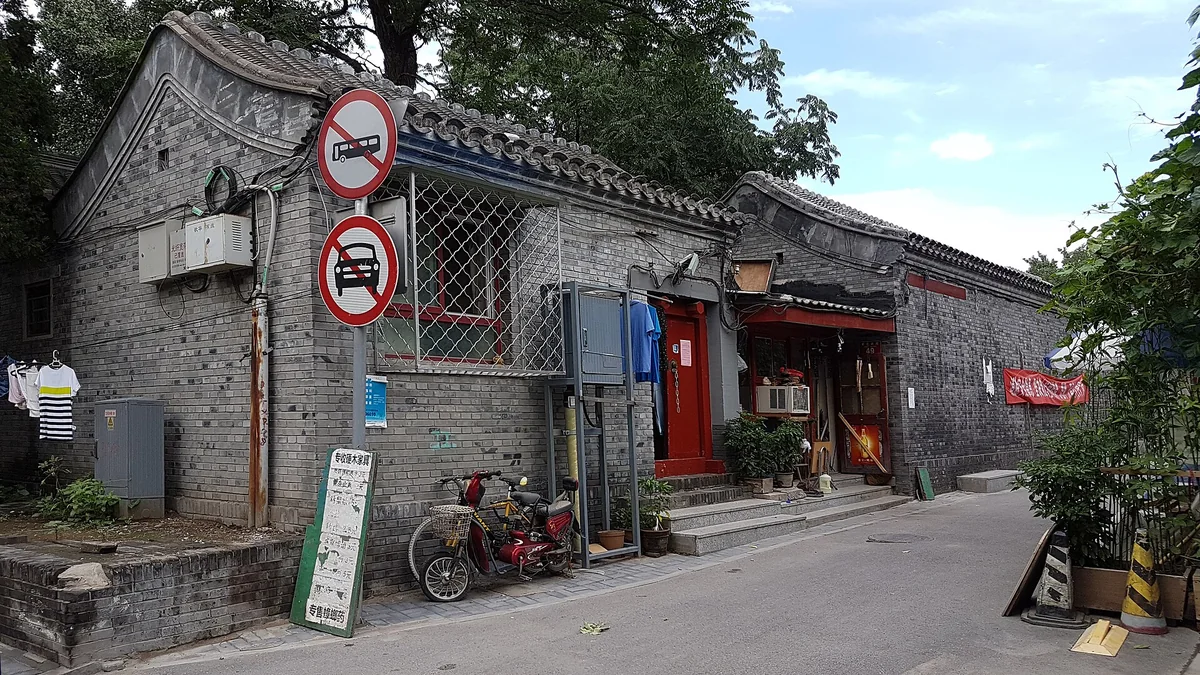
A simple hello, smile, and calm tone are enough in most travel situations. Handshakes may happen in business settings, but casual travel interactions are usually less formal. If language is limited, short sentences and translation apps work better than speaking louder or faster.
- Keep your hotel name and address saved in Chinese.
- Use screenshots for station names, attraction entrances, and booking references.
- Confirm details twice when time matters.
2. Public transport and queues
Stations and metro systems can be busy. Stand to the side before boarding, let passengers exit first when possible, and keep passports or ticket details ready for longer-distance trains. At major stations, give yourself more buffer than you would in a smaller city.
3. Restaurant etiquette
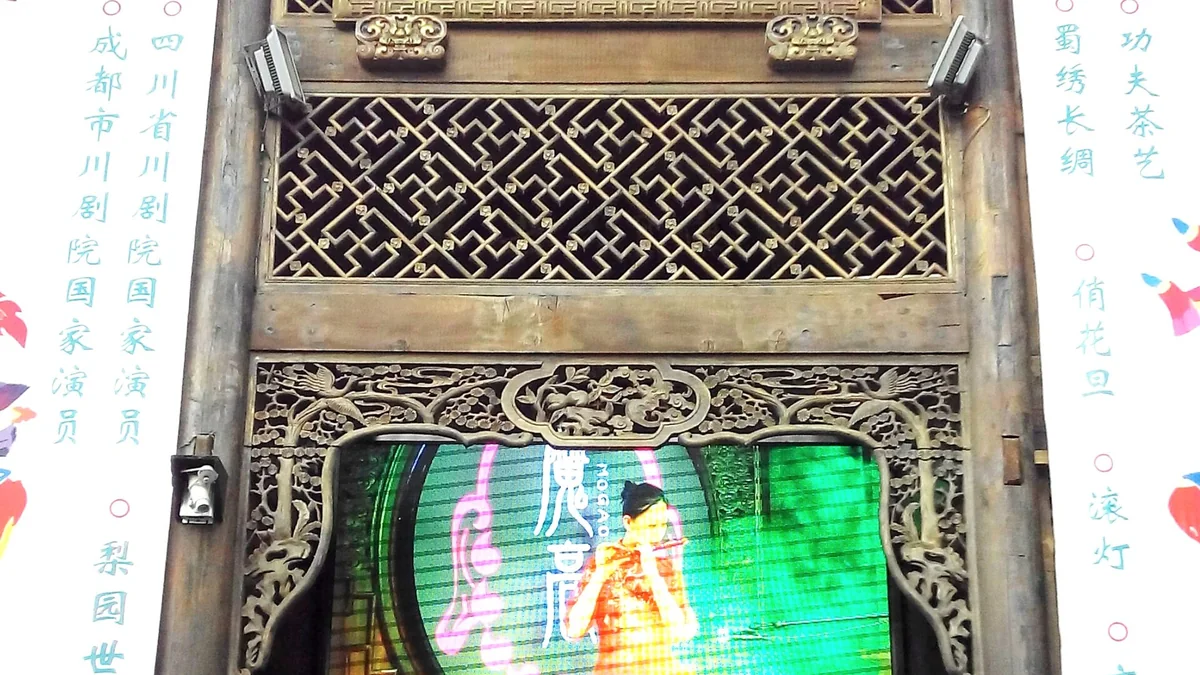
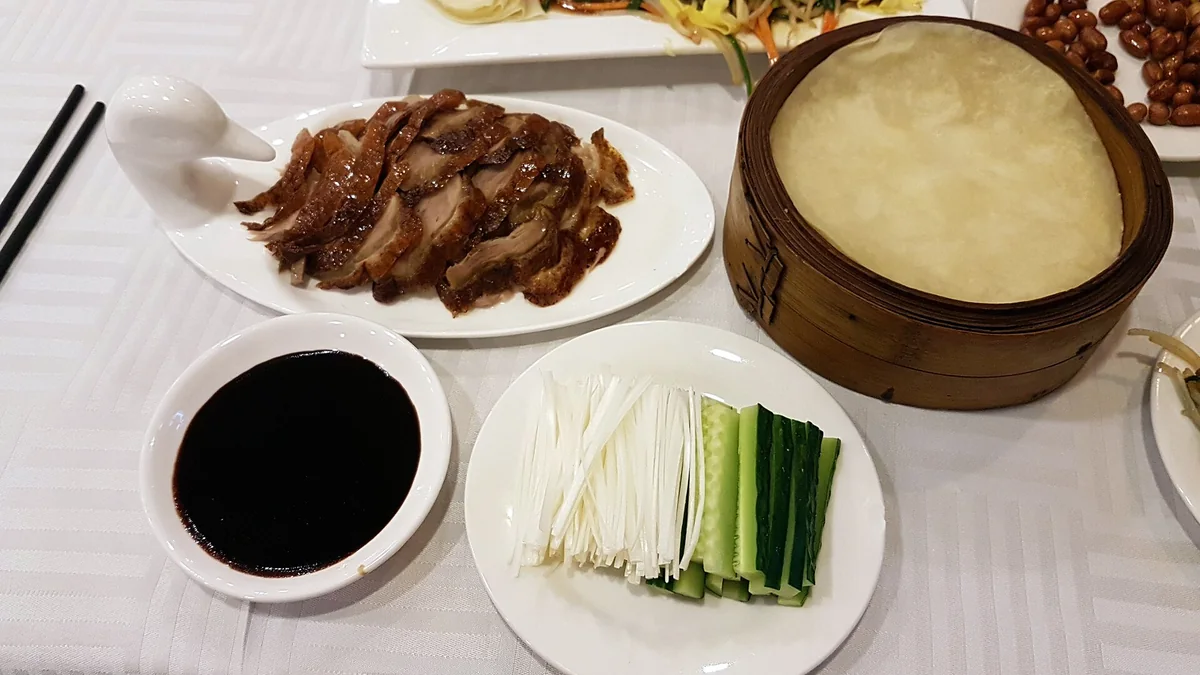
Sharing dishes is common. If you are eating with others, dishes usually go in the middle and everyone takes portions. In casual restaurants, service may feel faster and less conversational than in some Western countries. That does not mean the staff are unfriendly; the rhythm is different.
- Tea or hot water may be served automatically.
- Do not expect tipping to be standard in everyday restaurants.
- Use translation for allergies and dietary restrictions.
- Ask before taking close-up photos of staff or other diners.
4. Hotels and identity checks
Hotels normally need passport information for check-in. This is a routine process, not a personal suspicion. Make sure every traveler’s passport details match the booking, especially if you are booking for a family or group.
5. Payments and receipts
Mobile payment is common, but foreign cards and app setup can vary. Keep at least one backup payment method. If you need reimbursement or business records, ask about receipts before assuming they can be issued exactly the way you want.
6. Photos, temples, and local spaces

In temples, memorials, museums, and smaller local neighborhoods, slow down and read signs. Some areas restrict photography. When in doubt, do not photograph people closely without permission, especially children, religious activity, or private workspaces.
7. The most useful etiquette rule

Leave extra time and avoid making small problems emotional. Travel in China is often efficient, but details can be different: app names, station entrances, address formats, hotel rules, and payment steps. A calm traveler solves these faster.
Want us to check this for your own trip?
Send us your dates, cities, hotel preferences, and questions. We can help compare routes, flag booking risks, and turn the plan into a practical next step.