Hotels & Stays
Where to Stay in Chengdu: Hotel Area Guide for Foreign Travelers
How to choose a practical hotel area in Chengdu, with transport, check-in, family, and first-night considerations.
The best hotel in Chengdu is not always the hotel with the nicest photos. For foreign travelers, the safer choice is often the area that makes arrival, daily transport, food, and late-night returns simple.
How to choose your area
For most visitors, Chunxi Road, Taikoo Li, Jinjiang, or near a metro interchange are practical starting points. The goal is not to sleep next to every sight; it is to reduce the number of difficult transfers during the trip.
What foreign travelers should confirm
- The hotel accepts foreign passports and can complete registration.
- The address is available in Chinese for taxis or ride-hailing.
- The nearest metro or station is realistic with luggage.
- Breakfast, family room, late arrival, and cancellation rules match your actual plan.
Best area by travel style

- First-time visitors: choose the most central and transport-friendly area.
- Families: reduce walking distance and prefer larger rooms or breakfast.
- Short stays: stay closer to arrival/departure transport.
- Food-focused travelers: stay near evening dining streets but avoid noisy blocks if sleep matters.
Arrival-day hotel strategy
If you arrive through Tianfu or Shuangliu Airport, avoid booking a hotel that requires two complex transfers on the first night. Save the hotel name and address in Chinese, and message the property in advance if arrival is late.
Common hotel mistakes
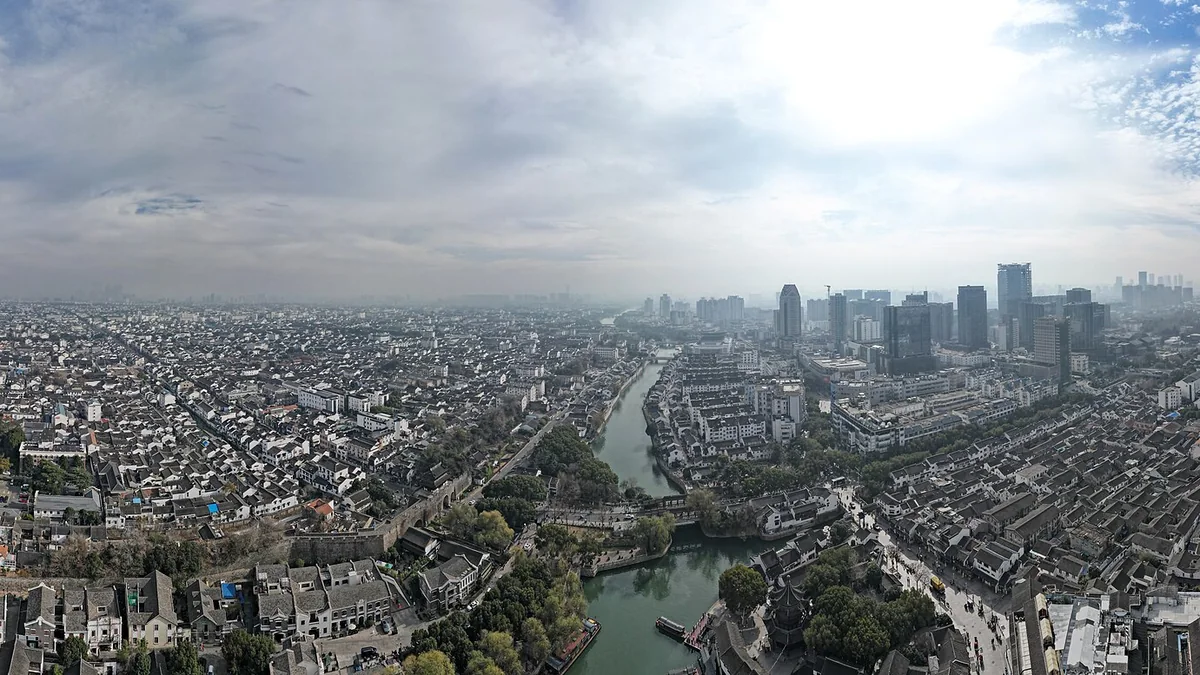
Do not choose only by map pins or price. A cheaper hotel can cost more in time if it sits far from metro lines, has weak English support, or creates awkward transfers with luggage.
Before you book
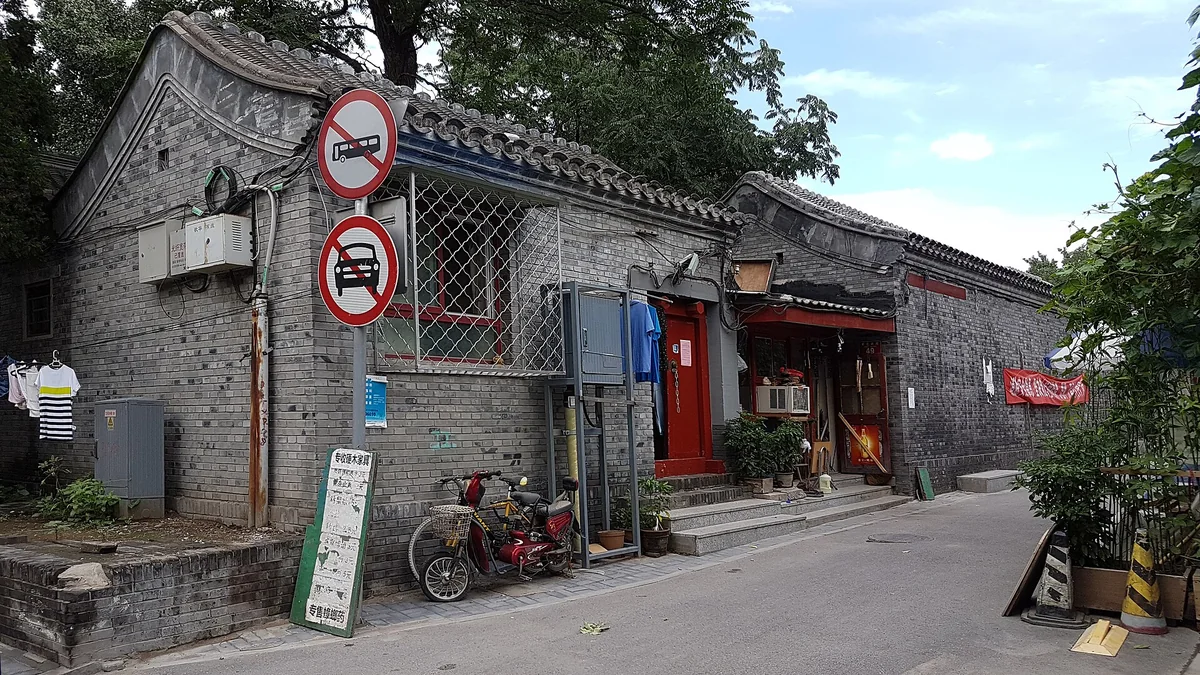
Before you lock in Chengdu, check the order of the hard pieces first: international arrival, domestic transfer, hotel base, attraction timing, and payment backup. Changing one of these later can affect the whole route.
Small details that make the trip easier

- Keep all addresses in Chinese and English.
- Save screenshots of bookings, hotel names, and station names.
- Avoid putting the most important attraction immediately after a long transfer.
- Keep one flexible meal or rest block in the plan every day.
Backup plan if something changes
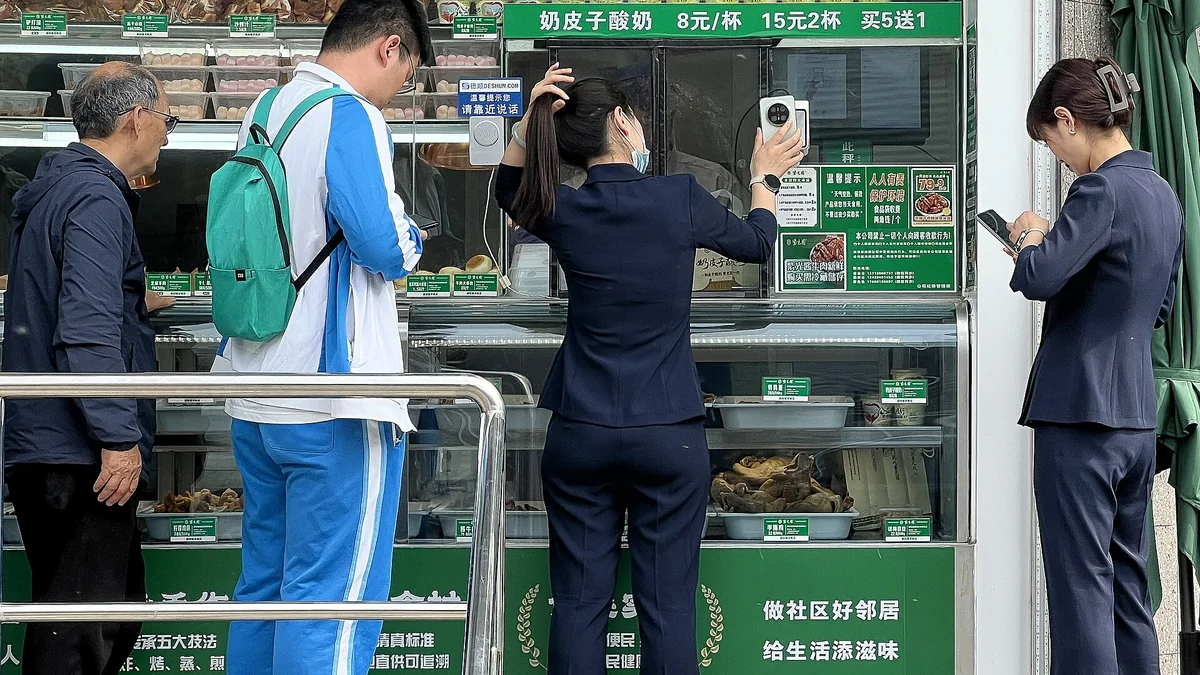
Weather, sold-out tickets, delayed flights, or tired travelers can change the day. A good China itinerary has a second-choice activity in the same area, a simple meal nearby, and a transport backup that does not require solving everything in Chinese at the last minute.
What to send us for a human check
- Arrival and departure city with dates.
- Hotel area or candidate hotel links.
- Must-see places and anything you want to avoid.
- Traveler count, luggage size, and pace preferences.