China Travel Essentials
China eSIM and Internet Guide for Foreign Travelers
A practical connectivity guide for foreign travelers in China: eSIM, roaming, local SIM cards, hotel Wi-Fi, app access, backup plans, and what to prepare before landing.
A smooth China trip depends on your phone working from the first hour. Maps, translation, hotel check-in, train tickets, ride-hailing, mobile payments, and messaging all become harder when data fails. The safest plan is not one perfect SIM card. It is a layered setup: one main data option, one backup, and key information saved offline.
1. Decide your main internet option before departure

Do not wait until you land to decide how your phone will connect. Choose one main option before the trip, then prepare a backup. Most foreign travelers use one of these setups:
- International roaming: easiest if your carrier offers a fair travel plan.
- Travel eSIM: convenient if your phone supports eSIM and you can install it before departure.
- Local SIM card: useful for longer stays, but setup may require passport registration and time at an airport or store.
- Portable Wi-Fi: helpful for families or groups, but it adds one more device to charge and carry.
For a short first China trip, roaming or an eSIM is usually the least stressful choice. For a longer stay, a local SIM can be worth the setup time.
2. Check whether your phone supports eSIM

Before buying an eSIM, confirm that your exact phone model supports eSIM and is not carrier-locked. This matters because different countries sometimes sell different versions of the same phone. A traveler may think they have an eSIM-capable device, then discover at the airport that their model does not support it.
Also check when the eSIM activates. Some plans activate when installed, while others activate when the phone first connects to the destination network. Install carefully, save the QR code or instructions offline, and do not delete your eSIM profile unless the provider tells you to.
3. Understand app access before you rely on it

Internet access in mainland China can behave differently from what you expect at home. Some international websites, social apps, maps, email tools, or cloud services may be slow or unavailable on local networks. Roaming and travel eSIM plans may behave differently from local Wi-Fi or local SIM cards, depending on routing and provider setup.
The practical answer is simple: test your important apps before the trip, then prepare local or offline alternatives. Do not rely on one app for every task.
4. Save essential information offline

Your phone can still help even when data is weak if the right information is saved locally. Before departure, save screenshots or offline copies of:
- Hotel name, address, and phone number in both English and Chinese.
- Flight, train, and airport transfer confirmations.
- Passport and visa or entry documents where appropriate.
- Payment setup instructions and app login backup steps.
- Emergency contacts and travel insurance information.
Offline information is especially important for the first day, late-night arrivals, station transfers, and smaller hotels.
5. Plan for airport arrival, not just city use

The first test of your internet setup is usually the airport. You may need data for messaging your driver, checking a hotel address, opening a map, or confirming a train time. Airport Wi-Fi can help, but it should not be your only plan.
If your first day includes a tight connection, a late arrival, elderly family members, or children, consider a simpler arrival plan: pre-arranged transfer, hotel address saved in Chinese, and one phone with confirmed roaming or eSIM data before landing.
6. Prepare for trains, metros, and city movement

Connectivity matters most when you are moving. Train stations are large, metro transfers can be busy, and station names may have similar English spellings. Save your route, station names, and hotel address before you leave Wi-Fi.
For high-speed trains, keep the train number, departure station, arrival station, departure time, and passenger name details available offline. For city transport, save your destination in Chinese if you might need help from staff or a driver.
7. Do not forget battery and charging
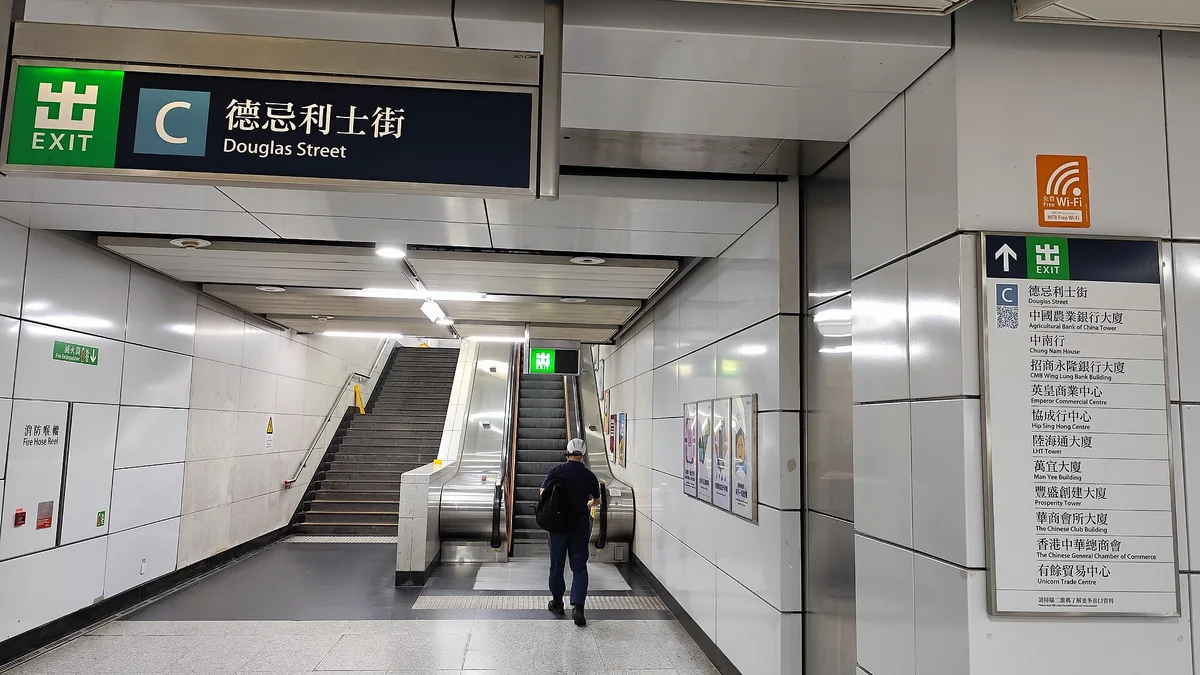
A perfect data plan is useless if your phone battery dies. China travel days can be long: sightseeing, photos, translation, mobile payments, maps, taxis, and train tickets all use power. Carry a power bank, charging cable, and the correct adapter for your devices.
If you travel as a couple or family, avoid putting every booking and payment method on one phone. Share key confirmations with another traveler before the day starts.
8. Use hotel Wi-Fi carefully

Most hotels provide Wi-Fi, but speed, login method, and app access can vary. Some hotels require room number verification or phone number login. Smaller hotels may have weaker Wi-Fi in some rooms.
Use hotel Wi-Fi for low-risk tasks such as route planning, reading guides, and downloading offline information. Avoid doing sensitive account recovery or payment changes over public networks unless you understand the risk and have proper security protection.
9. A simple connectivity checklist
- Choose your main data option: roaming, eSIM, local SIM, or portable Wi-Fi.
- Prepare one backup option.
- Confirm your phone is unlocked and supports your chosen option.
- Install or save eSIM instructions before departure.
- Save hotel addresses, bookings, and train details offline.
- Prepare map, translation, payment, and messaging backups.
- Carry a power bank and charging cable.
- Test your setup on arrival before leaving the airport.
10. When a human check is worth it
Connectivity is not glamorous, but it affects almost every part of a China trip. If your arrival is late, your itinerary uses trains, or your payment apps are not fully tested, it is worth checking the plan before you travel.
Hello China Go can help review your arrival setup, hotel addresses, train station names, transfer plan, and backup options so your first day in China is less dependent on luck.
Want us to check your China arrival setup?
Send us your route, dates, first hotel, and what you plan to use for internet and payments. We can help spot weak points before you land.